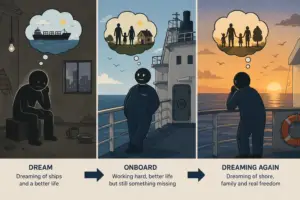
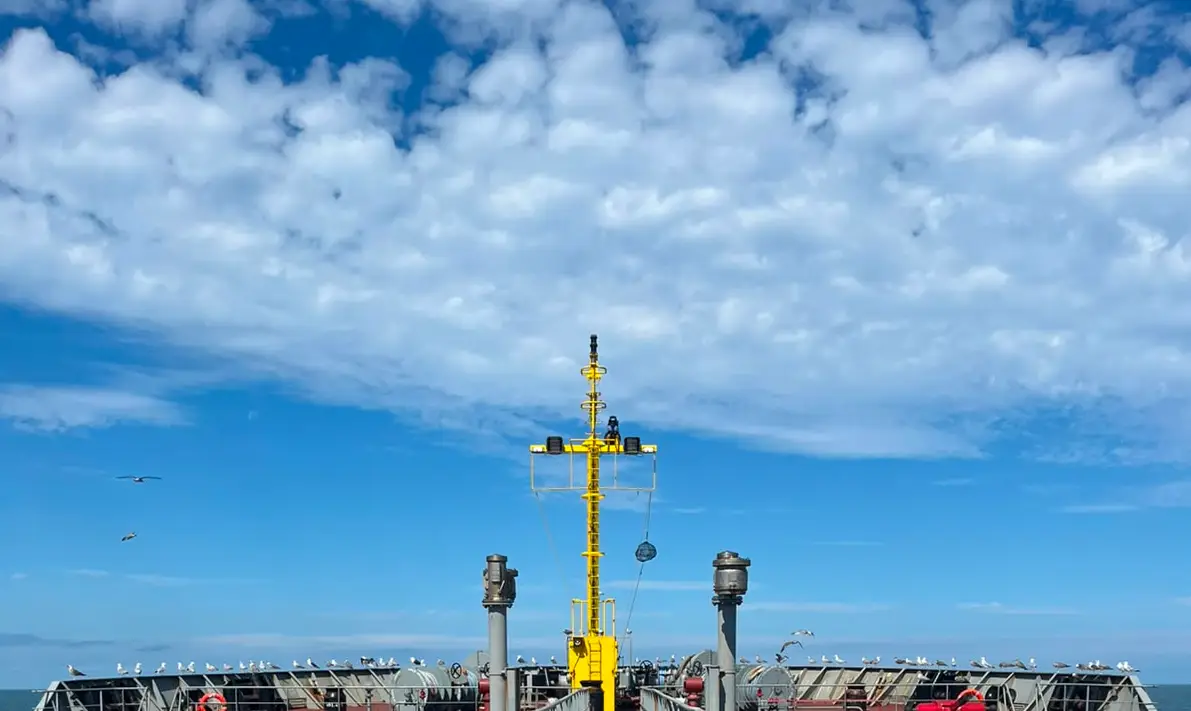
One of the best parts of working at sea is seeing marine animals in their natural habitat. Far away from the shore, there is a wide variety of wildlife such as dolphins, whales, flying fish, and of course seagulls. Watching them freely enjoy the ocean is always an amazing experience, even during rough weather. For many seafarers, these moments become unforgettable memories.
Dolphins Love Racing Ships
Dolphins are probably the most exciting animals to watch from a ship. They often swim alongside the bow and seem to challenge the vessel by racing with it. Nobody knows if they really think it is a game, but it definitely looks like they enjoy it.
For the crew, it is always a pleasure to watch them jumping through the waves and keeping up with a huge ship. Many seafarers have captured incredible videos of dolphins racing alongside vessels.
Unfortunately, Not Every Encounter Ends Happily
Sometimes the story is different for whales. Every year, some whales are struck by ships while travelling through busy shipping routes.
Scientists are still studying why these accidents happen. It may be because whales misjudge the speed of large vessels, fail to hear them in time, or simply cannot avoid them because of their size. Whatever the reason, collisions between ships and whales can unfortunately end with serious injuries or the death of the animal.
Most seafarers never want to experience such an accident, but with thousands of ships sailing around the world every day, these incidents still happen from time to time.
Seagulls: Beautiful Visitors with an Unexpected Problem
Seagulls are probably the marine animals that crews see the most. Sometimes they follow ships looking for fish, while other times they simply land on board to rest.
Their favorite places are usually the highest parts of the ship, such as the forward mast, cranes, bridge wings, or other elevated structures where they can safely watch the sea.
Although they are beautiful to watch, they can also create a serious maintenance problem.
If only a few seagulls visit the vessel, there is usually nothing to worry about. But imagine hundreds of them staying on board for days. Eventually, the entire deck becomes covered with bird droppings.
Besides looking unpleasant, bird droppings are acidic and can slowly damage the ship’s paint.
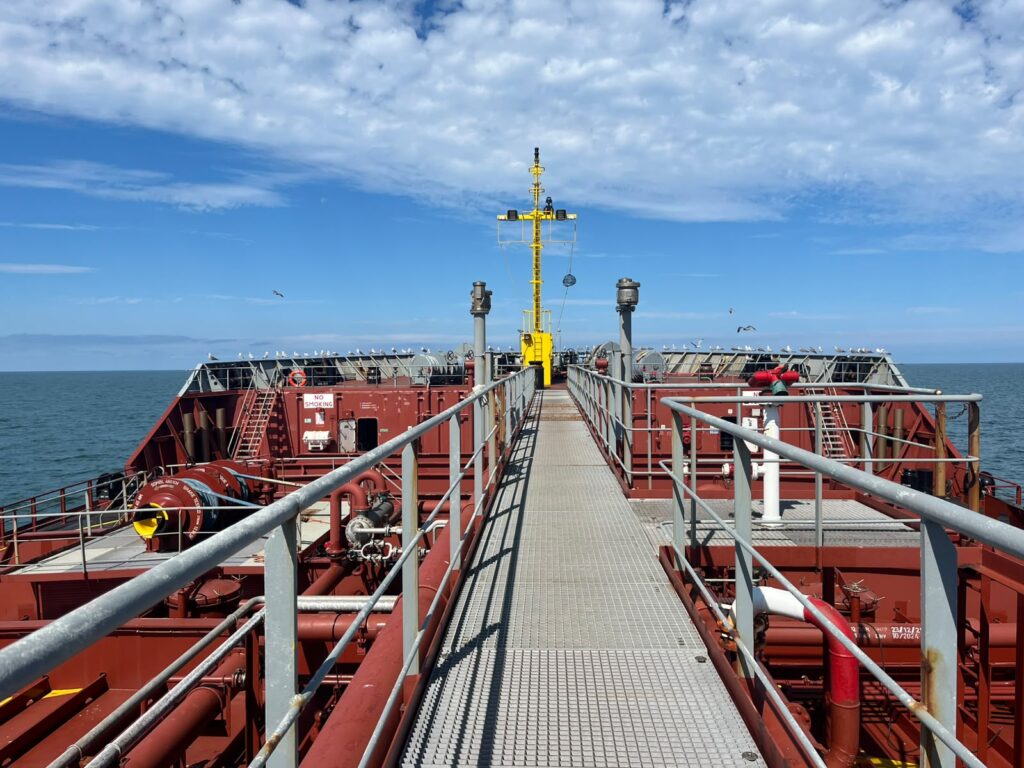
How Bird Droppings Damage Ship Paint
Many people think the paint on a ship is only for appearance, but its main purpose is to protect the steel structure from corrosion caused by seawater, salt, moisture, and harsh weather.
When bird droppings remain on painted surfaces for a long time, their acidic nature can weaken the coating. Once the paint is damaged, the steel underneath becomes more exposed to rust and corrosion.
As a result, the crew needs to clean affected areas, repair damaged paint, and sometimes repaint large sections of the deck much earlier than planned. This means more maintenance, more paint consumption, and additional costs for the ship owner.
How Ships Can Keep Seagulls Away
Fortunately, there are several simple methods to reduce this problem.
One common solution is using the ship’s horn. Seagulls generally dislike loud noises, so a short blast can make them fly away for a while. However, this is only a temporary solution because they often return after some time.
In some ports and terminals, bird protection systems are installed because seagulls can also damage pipelines, cranes, and terminal equipment.
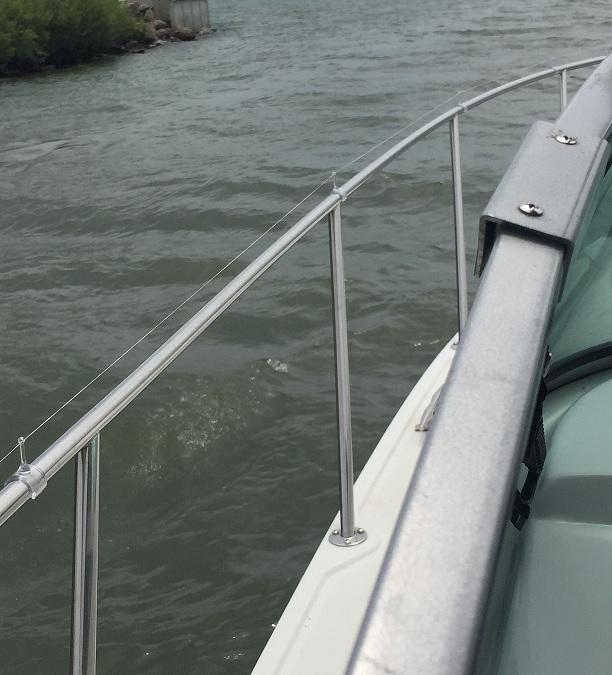
One of the cheapest and most effective methods used on ships is fishing line.
The fishing line is stretched between two points on top of masts, cranes, railings, or other places where birds usually land. Because the line is thin and unstable, seagulls cannot get a proper grip. They lose their balance and quickly choose another place to rest.
Since they naturally prefer high locations instead of the main deck, protecting these elevated areas with fishing line is often enough to keep most birds away.
It is a simple, inexpensive solution that helps protect the ship’s paint, reduces cleaning work, and prevents unnecessary corrosion over the long term.