A complete seafarer packing checklist before joining a vessel. Learn what experienced sailors bring onboard, from documents and clothes to electronics, medicines, and personal items.
Joining a ship, whether it is your first contract or your last one, always requires proper preparation. A seafarer’s bag is not just a normal travel bag; it becomes your small home for months. Once the vessel leaves the port, you may not have the opportunity to buy missing items easily. Therefore, having a proper checklist before joining can save you from many unnecessary problems during your contract.
Before starting your packing process, you should first make a list of the items you need to buy or prepare. However, this list can change depending on the type of vessel, trading area, and duration of your contract.
For example, if you are joining an offshore platform or a vessel with limited shore leave opportunities, expensive clothes and fashionable outfits are usually unnecessary because you may not have enough time or permission to go ashore.
The same applies to many VLCC (Very Large Crude Carrier) vessels. These ships usually spend four to six months at sea and may only visit three or four ports during a contract. In many cases, these ports are located far away from city centers, meaning shore leave opportunities are limited. Therefore, carrying too many casual clothes only creates extra weight in your luggage.
On the other hand, the working environment and climate should always be considered before packing.
Every seafarer usually knows the common trading areas of different vessel types. For example, if you are joining a chemical tanker trading in the ARA region (Amsterdam, Rotterdam, Antwerp, Ghent, Le Havre, and Northern Europe), you should prepare according to the season.
Between April and September, some long-sleeve clothes may be enough. However, outside this period, especially during winter operations, a warm jacket and proper cold-weather clothing are highly recommended.
If you are planning to buy new clothes before joining, remember that Europe generally has reasonable prices and many options. Therefore, there is no need to carry excessive clothing from your home country.
Essential Documents Before Joining a Ship
The most important items in your luggage are not your clothes or electronics; they are your professional documents. Without valid documents, you may not even be allowed to join the vessel.
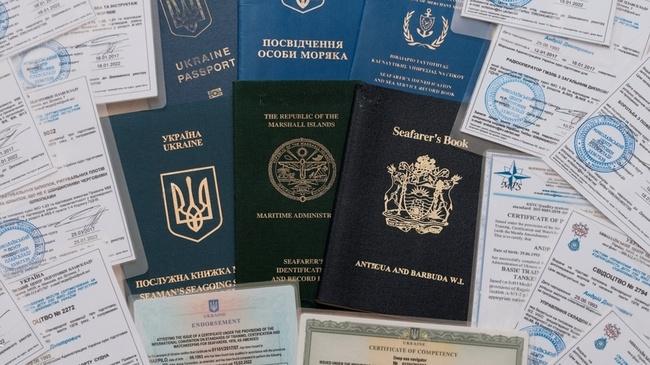
Passport
A valid passport is the first requirement for every seafarer.
Before joining, always check your passport expiry date carefully. Many countries do not allow seafarers to sign off if their passport has less than three to six months of validity remaining after the end of their contract.
For example:
Imagine you join a vessel tomorrow with a passport that has one year remaining before expiry. Your contract duration is nine months. When you complete your contract, your passport will only have three months validity left.
If the vessel arrives at a port such as the Netherlands and you expect to sign off there, authorities may refuse your disembarkation depending on their regulations.
Every country has different rules. Some countries may accept shorter validity periods, while others may require more time. To avoid unexpected problems, it is recommended to have at least two years of passport validity before joining a vessel.
Seaman’s Book
A seaman’s book is another essential document for every sailor.
It is similar to a passport but specifically proves your identity as a seafarer and records your professional sea service.
The expiry rules depend on your nationality. Some countries require renewal after a certain period, while others have different regulations. For example, some seaman’s books may not have a fixed expiry date.
Although it may not always create an immediate problem, shipping companies usually recommend keeping it updated because unexpected delays, extended contracts, or changes in sign-off plans can happen.
STCW Certificates
Every seafarer must carry valid STCW certificates proving that they have completed the required maritime training.
For beginners and cadets, the basic STCW training certificates are essential. These certificates prove that you are trained and qualified to work safely onboard.
However, additional certificates are required depending on your vessel type and rank.
Examples:
- Tanker vessels require basic tanker training.
- Officers working on tankers require advanced tanker certificates.
- LNG vessels require basic and advanced gas tanker certificates.
As you progress in your career, your certificate requirements will increase.
Medical Fitness Certificate
A valid medical fitness certificate is also mandatory before joining a vessel.
This certificate proves that you are physically fit and able to perform your duties onboard.
Make sure:
- The certificate is valid.
- All required sections are correctly completed.
- Your officer qualifications are properly indicated.
For example, deck officers should ensure that the GMDSS officer section is correctly included if required by their administration. During inspections, missing information may create unnecessary problems.
Yellow Fever Vaccination
If your vessel operates in certain regions, especially Africa and some tropical areas, a yellow fever vaccination certificate may be mandatory.
Always check your vessel’s trading area before joining.

Work Clothing and Personal Protective Equipment (PPE)
If you are joining a vessel operated by a local shipping company, especially one located close to your hometown, the company may invite you to their office before joining and provide your working clothes.
However, if you are working for a large international shipping company or a ship management company, most required working equipment will usually be provided onboard when you join the vessel.
Before joining, always ask your company what equipment will be supplied and provide your correct body measurements. This is an important detail because incorrect sizes can create serious discomfort during your daily work.
For example, if your boiler suit is too small, it can restrict your movement during cargo operations, maintenance work, or emergency situations. The same applies to safety shoes; uncomfortable footwear can become a serious problem during long working hours.
Generally, the following working clothes and safety equipment are provided onboard:
Boiler Suit
Usually, two boiler suits are provided. One is used as the main working suit, while the second one is kept as a spare.
Keeping a spare boiler suit is important because your working clothes can become dirty or damaged during operations, maintenance, or cargo-related activities.
Safety Shoes
Safety shoes are one of the most important pieces of equipment for every seafarer.
They must fit properly because you may wear them for many hours during:
- Cargo operations
- Deck maintenance
- Engine room work
- Emergency drills
A wrong size can cause foot pain and reduce your working efficiency.
Safety Helmet
A safety helmet is mandatory during many operations onboard.
Always inspect your helmet before use and replace it if it becomes damaged.
Safety Goggles
Safety goggles are generally provided for protection during dangerous operations.
However, remember that not every type of safety glasses should be used for every activity.
For example, do not use your expensive chemical or cargo operation goggles for activities such as chipping paint or removing rust. They can quickly become scratched, dirty, and unusable.
For maintenance activities like chipping, grinding, or rust removal, always use suitable working goggles.
Working Gloves
Different operations require different types of gloves.
You may need:
- General working gloves
- Chemical-resistant gloves
- Heat-resistant gloves
- Cargo operation gloves
Always select the correct protection according to the job.
These are the basic working clothes and PPE items that are normally provided onboard. However, before joining, always confirm with your company because requirements can be different depending on the vessel type and company policy.

Casual Clothing: What Should a Seafarer Bring?
A seafarer does not wear a boiler suit all day.
We normally use working clothes during deck operations, engine room activities, cargo operations, or maneuvering. Outside working hours, we have our own life onboard.
We wear normal clothes when:
- Going to the mess room for meals
- Spending time with colleagues
- Walking around the accommodation
- Sitting in our cabin
- Watching movies or relaxing
- Standing bridge watches (depending on company rules)
Your casual clothing should mainly be comfortable and suitable for life at sea. However, avoid extremely short or inappropriate clothes because you are sharing a limited living environment with other people.
Remember that a ship is a small community. Personal appearance and respect for others are important parts of professional seafaring life.
The amount of clothing you bring should depend on your vessel’s trading area.
For example:
Warm Climate Areas
If your vessel operates in regions such as South America, the Middle East, or tropical areas:
- 2–3 T-shirts
- Comfortable trousers or jeans
- Light clothing
- One outfit for shore leave
will usually be enough.
Cold Climate Areas
If your vessel operates in Northern Europe, Russia, or other cold regions:
You should consider bringing:
- A warm jacket
- Sweater or jumper
- Extra trousers
- Long-sleeve shirts
- Thermal clothing if necessary
Moderate Climate Areas
For vessels operating in areas with moderate weather conditions:
A simple combination of:
- Long-sleeve shirts
- Jeans
- Comfortable daily clothes
will normally be enough.
Do not forget that every additional kilogram in your luggage matters. Bring what you really need, not everything you own.
Footwear: How Many Shoes Should a Seafarer Bring?
During working hours, you will normally use your safety shoes. This includes deck work, cargo operations, and many operational activities.
However, outside working hours, having different footwear is highly recommended.
A practical combination would be:
1. Daily Casual Shoes
A comfortable pair of shoes for:
- Accommodation
- Mess room
- Walking onboard
- Relaxing
2. Shore Leave Shoes
If you have the opportunity to go ashore, having a cleaner and more presentable pair of shoes is useful.
3. Sports Shoes
If you use the gym, play table tennis, or participate in sports activities onboard, a separate pair of sports shoes is recommended.
Using one pair of shoes for everything can cause:
- Bad smell
- Faster deformation
- Poor hygiene
The most important footwear item that many new seafarers forget is:
Slippers
Always bring your own slippers for bathroom and shower use.
Even if you have your own cabin, wearing slippers in shared shower areas is a good hygiene practice. Floors can become slippery, and you do not know how many people have used the area before you.
A simple pair of slippers can prevent many unnecessary problems.
Personal Hygiene Products: A Seafarer’s Responsibility
Personal hygiene is extremely important onboard because we live and work closely with other people for months.
Being clean, smelling good, and maintaining good personal care is not only about appearance; it is about respecting your colleagues.
A professional seafarer should always represent discipline, responsibility, and good habits.
Before joining, consider bringing:
- Toothbrush
- Toothpaste
- Mouthwash
- Dental floss
- Nail cutter
- Shampoo
- Shower gel
- Electric shaver or razor
- Shower cap (if needed)
- Hand and face moisturizer
- Vitamins
- Deodorant
For a worldwide trading vessel, it is better to bring extra supplies because you may spend 40–60 days at sea without access to shops.
A practical amount could be:
- 3 toothbrushes
- 2 toothpaste tubes
- 500 ml mouthwash
- 2 nail cutters
However, if your vessel operates mainly in Europe, where ports are usually close to cities and shopping facilities are easily available, you do not need to carry excessive amounts.
One thing is always necessary:
Deodorant
Nobody wants to work or live next to someone with poor hygiene.
Using deodorant regularly is a simple way to show respect to your colleagues.
Prescribed Medicine and First Aid: What Should Seafarers Know?
Every vessel has a medical facility onboard according to the requirements of the Maritime Labour Convention (MLC).
The onboard hospital is usually a small medical room equipped with essential medicines and medical equipment required for common illnesses and emergency situations.
Depending on the vessel and flag requirements, the medical inventory may include medicines for:
- Pain relief
- Fever
- Sore throat
- Cough
- Seasickness
- Stomach problems
- Allergic reactions
- Emergency situations
In addition to medicines, vessels are equipped with important emergency medical equipment, including oxygen equipment and devices required for serious medical situations.
Therefore, seafarers generally do not need to carry a complete pharmacy in their luggage.
However, if you use any prescribed medication, you must bring it with you and inform the responsible officer onboard.
The company and ship’s medical officer should know about your medication because it needs to be recorded properly.
Never hide your medical condition or medication usage.
Some countries have strict regulations regarding medicines. If port authorities discover medication that you cannot explain or prove with medical documentation, it may create serious problems, including possible fines.
Never Hide a Medical Condition Before Joining a Ship
One of the biggest mistakes a seafarer can make is hiding an existing medical condition because they are afraid of losing their job.
A few years ago, I worked with a third engineer from China who had asthma. He was using an inhaler spray that helped him breathe normally.
Before joining the vessel, he did not inform the company or the ship’s management about his condition. He brought only a limited number of inhalers, thinking that he would manage without them.
Unfortunately, the vessel was trading in difficult areas where shore leave was not possible. After around three months, his inhalers were finished.
Instead of informing the captain and requesting assistance, he tried to continue without the medication.
After departing from Busan, South Korea, his condition became much worse. He had serious difficulty breathing and the situation became life-threatening.
The vessel had to arrange an emergency helicopter evacuation, and he was transferred to a hospital.
Fortunately, he survived. However, the situation could have ended differently.
The company also faced additional costs and complications because the medical condition had not been declared before joining.
After this incident, he decided to leave the sea and continue his life ashore.
The lesson is simple:
If you have a medical condition, inform your company and your vessel before joining. A responsible company will help you prepare and ensure your safety onboard.
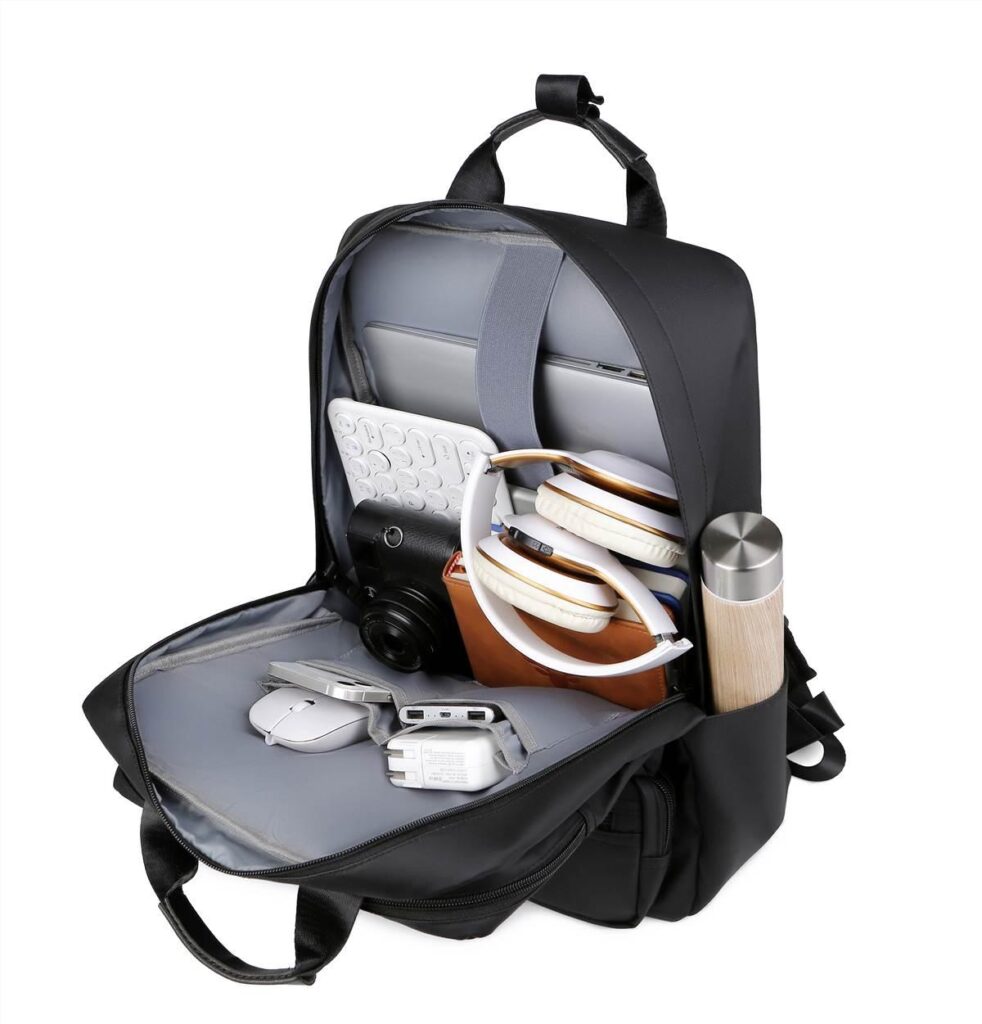
Electronics: The Most Valuable Items for Modern Seafarers
Technology has completely changed life at sea.
In the past, seafarers had limited communication opportunities and could sometimes spend months without contacting their families.
Today, electronics are one of the most important parts of a seafarer’s luggage.
You are generally allowed to bring personal electronic devices such as:
- Mobile phones
- Laptop
- Tablet
- Headphones
- Electric shaver
- Playstation
- Cameras
These devices are not only for entertainment; they are also important tools for communication and maintaining mental health onboard.
Life at sea can sometimes become repetitive and isolated. A movie, a video call with family, or listening to music after a long watch can make a huge difference.
Always Bring Two Mobile Phones
One of the most important recommendations for every seafarer is:
Bring two mobile phones.
Many sailors use a main phone such as an iPhone for daily communication, but carrying a second affordable Android phone can save you from major problems.
A backup phone is especially useful because Android phones often have good network reception and can be used with local SIM cards when arriving in different countries.
Imagine this situation:
You are anchored offshore. The vessel is waiting for cargo operations or berth availability. Suddenly, your phone breaks.
This happened to me while the vessel was anchored in Ukraine.
My phone stopped working, and I completely lost communication with the outside world. I did not know when we would arrive alongside, and I had no possibility to go ashore and buy a new phone.
After a few days without communication, I had to ask another crew member if he could sell me his phone. I paid more than the normal price because I urgently needed it.
Since then, I always recommend carrying a backup phone.
A simple second phone can prevent a very stressful situation.
Action Camera: Record Your Life at Sea
If you are new to the maritime industry, bringing an action camera is a great idea.
During your career, you will experience many unforgettable moments:
- Beautiful sunrises and sunsets
- Heavy weather
- Unique ports
- Ocean wildlife
- Remote areas of the world
Years later, these recordings become valuable memories that you can share with your family.
Many seafarers realize the value of these moments only after leaving the industry.
Chargers and Power Protection
Always carry extra charging cables.
A good preparation would be:
- At least two Type-C charging cables
- Spare adapters
- A power bank
Charging cables can easily become damaged due to daily usage. Having a spare cable prevents unnecessary frustration.
If you use multiple Apple devices such as:
- iPhone
- iPad
- Apple Watch
- Wireless headphones
a multi-device charging station can be extremely useful.
It reduces cable clutter and allows you to charge everything in one place.
Protect Your Electronics
Ships have complex electrical systems, and voltage fluctuations can sometimes happen.
Using a suitable power protection device can help protect your electronics and extend their lifespan.
A laptop, phone, or tablet may be expensive and difficult to replace during a long contract, so taking care of your equipment is important.

Internet and Communication Essentials for Seafarers
For modern seafarers, internet access has become one of the most important parts of life onboard.
Being able to contact family, follow world events, and maintain social connections has a huge impact on mental health.
One of the best technologies available today is eSIM.
Always Check Your Phone Has eSIM Support
Before joining a vessel, check whether your phone supports eSIM technology.
eSIM can be extremely useful because you can purchase a mobile package online without physically visiting a shop.
Sometimes vessels stay at anchorage areas for weeks or even months. Agents do not always provide local SIM cards, and shore leave may not be available.
With eSIM, you can simply purchase a package online and connect immediately.
Choosing an eSIM Provider
There are many eSIM companies available today, but it is usually safer to choose established telecom operators.
Examples include:
- Orange
- Vodafone
- Other major regional operators
For example, when operating in European waters, European packages can provide excellent coverage across multiple countries.
Always check:
- Coverage area
- Data limits
- Validity period
- Registration requirements
Some European SIM cards and eSIM services require registration within a certain period after activation. If you do not complete the process, the service may be suspended.
Starlink Maritime
Satellite internet has changed the maritime industry significantly.
If your vessel has Starlink Maritime installed, communication and entertainment possibilities are much better compared with traditional satellite systems.
Some seafarers who have Starlink access can enjoy:
- Faster communication
- Video calls
- Online entertainment
- Better connection with family
If you personally have access to Starlink services, always check current maritime plans and company policies before bringing or using any equipment onboard.
Entertainment Onboard: How Seafarers Spend Their Free Time
Life onboard is completely different from life ashore.
A vessel is an isolated environment where you may spend months away from normal social life. Therefore, finding healthy ways to spend your free time is extremely important for your mental and physical condition.
Every vessel has different facilities depending on its size, company policy, and age. Some modern vessels may have excellent recreation areas, while older ships may have only basic facilities.
However, even with limited resources, seafarers can create a comfortable lifestyle onboard.
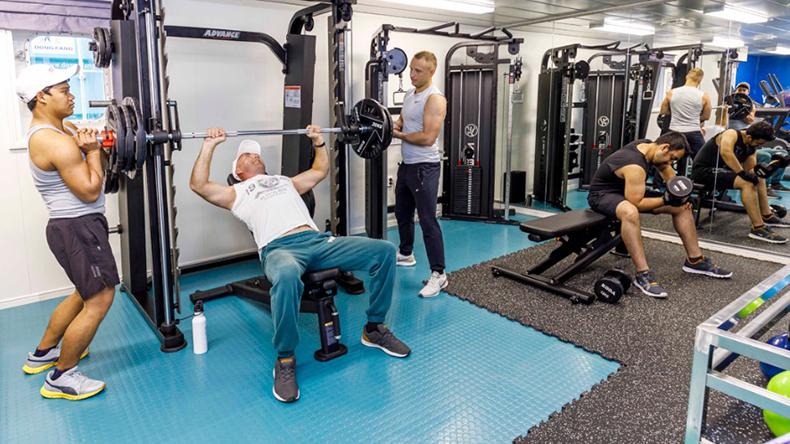
Gym and Exercise
Many vessels have a small gym onboard.
Of course, you should not expect a gym similar to those found ashore with hundreds of machines and professional equipment.
Usually, an onboard gym may include:
- One multi-purpose exercise station
- A bench press
- Several dumbbells
- Basic training equipment
Although the facilities are limited, it is still possible to maintain a good physical condition if you know how to train properly.
A few dumbbells and bodyweight exercises can be enough to stay healthy.
Exercise is not only important for your body; it is also valuable for your mental health.
Long contracts, repetitive routines, and being away from family can create stress. A simple workout after duty can help clear your mind and improve your mood.
Avoid Unhealthy Habits
Unfortunately, ships can sometimes encourage unhealthy habits.
Some crew members choose to spend their free time smoking, drinking, or simply sitting in their cabins for months.
It can feel easier than going to the gym or creating a healthy routine.
However, seafarers already sacrifice many years away from normal social life. If we also damage our health during this time, we lose one of the most valuable things we have.
The goal should not only be earning money at sea.
The goal should be returning home healthy and enjoying the life we work so hard for.
Even if you start with only 15–20 minutes of exercise per day, it is better than doing nothing.

Social Activities Onboard
Entertainment onboard is not only about individual activities.
Social interaction is extremely important because your colleagues are also the people you live with for months.
Many vessels have activities such as:
- Table tennis
- Card games
- Movie nights
- Board games
- Reading areas
- Swimming pools
- Sauna facilities
Table tennis, in particular, is one of the most popular activities onboard.
It is suitable for almost every age group and helps people socialize while also providing physical activity.
Sometimes a simple game after dinner can improve the atmosphere onboard and create friendships that last for years.
Financial Preparation Before Joining a Ship
Before joining a vessel, you should always prepare financially.
Even though you are going onboard to earn money, unexpected situations can happen.
You should always carry:
- Emergency cash
- A credit card
The amount of cash depends on your personal situation and joining location.
A useful way to think about it is:
If something goes wrong and you need to leave the vessel immediately, do you have enough money to return home?
For example:
- Emergency flight ticket
- Transportation expenses
- Hotel accommodation if required
You should have enough financial backup to handle unexpected situations.
Why a Credit Card Is Important
Many people still prefer cash, but modern travel is becoming increasingly dependent on electronic payments.
In many countries, you may face situations where:
- Hotels require credit cards
- Transport services do not accept cash
- Online bookings require cards
Therefore, having a credit card available is highly recommended for every seafarer.
Always keep it safely in your wallet and ensure it is active before joining.
Snacks and Favorite Food From Home
Bringing your favorite snacks onboard may seem like a small thing, but psychologically it can make a big difference.
After months away from home, familiar tastes can create a strong feeling of comfort.
If you have enough space in your luggage, consider bringing:
- Favorite snacks
- Local sweets
- Special food from your country
- Coffee or tea that you enjoy
However, my personal advice is:
Do not consume everything during the first weeks of your contract.
Save some of your favorite snacks for later.
After three or four months onboard, when you start missing home more, those small items can become much more valuable.
Bring Gum From Your Country
Even simple things like chewing gum can feel different onboard.
Every country has different brands and flavors. Bringing your favorite gum is a small but enjoyable comfort.
Slop Chest Onboard
Most commercial vessels have a small onboard shop called a slop chest.
Depending on the company and vessel, it may contain:
- Snacks
- Chocolates
- Soft drinks
- Cigarettes
- Personal care products
- Other daily necessities
Therefore, do not worry if you cannot fit everything into your luggage.
Sometimes small items onboard can make a difficult day much better.
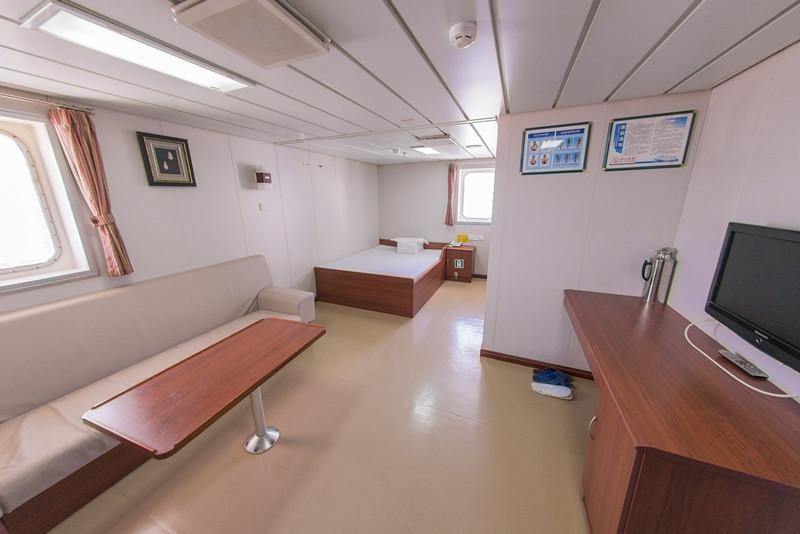
Cabin Comfort Items: Make Your Room Feel Like Home
Your cabin is where you spend a large part of your free time onboard.
Although companies provide basic items such as:
- Bed sheets
- Blankets
- Towels
bringing some personal comfort items can improve your quality of life.
Extra Bed Sheets and Towels
Having an extra set is always useful.
During long voyages, changing your own bedding regularly helps maintain better hygiene and comfort.
Recommended:
- One extra bed sheet
- One extra towel
- Several pillow covers
Bring Your Own Pillow
One of the most common complaints among seafarers is the pillow quality onboard.
Many ship pillows are not comfortable for everyone.
A good pillow can significantly improve your sleep quality, especially because rest is extremely important for a seafarer working long hours.
If your luggage space allows, bringing your own pillow can be one of the best decisions you make.
Cold Weather Essentials for Seafarers
If your vessel operates in cold regions, proper preparation is extremely important.
Cold weather at sea can be much more challenging because of:
- Strong wind
- Humidity
- Long exposure periods
- Working outside during operations
Even if the company provides protective clothing, having your own personal cold-weather items is useful.
Recommended items:
- Thermal underwear
- Wool socks
- Warm gloves
- Winter hat
- Scarf
- Additional warm layers
Thermal Clothing
Thermal underwear is one of the most valuable items for cold-weather operations.
It helps maintain body temperature and protects you from cold exposure during long working hours.
Especially for deck officers, engineers, and ratings who spend time outside, proper clothing is not a luxury; it is a necessity.
Essential Items Every Cadet Should Carry
A cadet’s main purpose onboard is not only to complete the contract.
The most important mission of a cadet is:
Learn as much as possible and become a competent officer.
Your preparation should support this goal.
Notebook and Pen
Always carry a small notebook.
During your cadetship, you will receive a huge amount of information every day.
Write down:
- New procedures
- Equipment names
- Safety information
- Navigation notes
- Cargo operation details
- Questions you want to ask later
A simple notebook can become one of your most valuable tools onboard.
Additional Useful Items for Cadets
Other useful items include:
- Personal lighter (except tanker vessels where safety regulations apply)
- Glass cleaner if you use glasses
- Spare glasses if possible
- Personal coffee cup
- Hand moisturizer
- Sunscreen
Small items can make daily life much easier.
Preparation Makes Your Contract Easier
Everything mentioned in this article can usually be found onboard or purchased somewhere during your career.
Seafarers are known for adapting to difficult situations and solving problems with limited resources.
However, good preparation can make your contract much smoother and more comfortable.
A well-prepared seafarer does not only carry a bag full of items.
He carries confidence, discipline, and the ability to adapt to life at sea.
After many years onboard, you realize that the most important things you bring with you are not always inside your luggage.
Your experience, mindset, and ability to handle challenges are the real equipment of a professional seafarer.
Seafarer Joining Checklist – Before Going Onboard
📄 Essential Documents
☐ Passport (valid at least 2 years recommended)
☐ Seaman’s Book
☐ Medical Fitness Certificate
☐ STCW Certificates
☐ Tanker / Gas / Additional Certificates (if required)
☐ Yellow Fever Certificate (if required)
☐ Employment Contract Copy
☐ Flight Tickets & Travel Documents
👕 Work Clothing & PPE
☐ Boiler Suits (check company provides)
☐ Safety Shoes
☐ Safety Helmet
☐ Safety Goggles
☐ Working Goggles
☐ Working Gloves
☐ Thermal Working Clothes (cold regions)
👔 Casual Clothing
☐ T-Shirts
☐ Long Sleeve Shirts
☐ Jeans / Comfortable Trousers
☐ Sweater / Jumper
☐ Jacket (depending on climate)
☐ Shore Leave Clothes
☐ Underwear & Socks
👞 Footwear
☐ Safety Shoes
☐ Casual Shoes
☐ Shore Leave Shoes
☐ Sports Shoes
☐ Slippers for Shower & Cabin
🧴 Personal Hygiene
☐ Toothbrush (bring spare ones)
☐ Toothpaste
☐ Mouthwash
☐ Dental Floss
☐ Shampoo
☐ Shower Gel
☐ Deodorant
☐ Razor / Electric Shaver
☐ Nail Cutter
☐ Moisturizer Cream
☐ Sunscreen
☐ Vitamins
💊 Medicine & Health
☐ Prescribed Medicines
☐ Medical Prescription / Doctor Letter
☐ Seasickness Medication
☐ Personal Emergency Medicines
☐ Basic First Aid Items
📱 Electronics
☐ Main Mobile Phone
☐ Backup Mobile Phone
☐ Laptop / Tablet
☐ Headphones
☐ Action Camera
☐ Power Bank
☐ Extra Charging Cables
☐ Type-C Cable
☐ Universal Adapter
☐ Charging Station (optional)
🌐 Internet & Communication
☐ Check eSIM Support on Phone
☐ Download Important Apps Before Joining
☐ Prepare SIM Card / eSIM Plan
☐ Check Starlink Availability (if applicable)
☐ Save Family & Emergency Contacts Offline
🎮 Entertainment
☐ Movies / Series Downloaded
☐ Books / E-books
☐ Music Playlist
☐ Gaming Device (optional)
☐ Sports Equipment (optional)
☐ Playing Cards / Board Games
💰 Financial Preparation
☐ Emergency Cash
☐ Credit Card
☐ Bank Access & Mobile Banking
☐ Emergency Flight Money
🍫 Snacks & Comfort Food
☐ Favorite Snacks
☐ Chocolate / Sweets
☐ Coffee / Tea
☐ Chewing Gum
☐ Food From Home
🛏 Cabin Comfort
☐ Extra Bed Sheet
☐ Extra Towel
☐ Pillow Cover
☐ Personal Pillow (optional)
☐ Small Storage Bags
☐ Laundry Bag
❄️ Cold Weather Preparation
☐ Thermal Underwear
☐ Wool Socks
☐ Warm Gloves
☐ Winter Hat
☐ Scarf
☐ Extra Warm Layers
🎓 Cadet Essentials
☐ Notebook
☐ Pen
☐ Marker
☐ Watch
☐ Glass Cleaner
☐ Spare Glasses (if needed)
☐ Personal Coffee Cup
☐ Learning Materials
✅ Final Pre-Joining Check
☐ Documents checked
☐ Passport expiry checked
☐ Company PPE confirmation received
☐ Flight details confirmed
☐ Emergency contacts saved
☐ Family informed
☐ Luggage weight checked
☐ Everything packed and ready