When people hear the word seafarer,nowadays also shefarer is popular word. They usually imagine endless oceans, beautiful sunsets, and traveling around the world. Others picture long contracts, isolation, and missing birthdays, weddings, and family gatherings.
The truth is that both pictures are correct.
As someone who has spent years working at sea, I often receive the same question:
“Are seafarers really happy?”
There is no simple yes or no answer because every seafarer has a different story. But there is one thing many of us have in common—we didn’t choose this career simply because we love the sea. We chose it because it offered opportunities we could never have found at home.
Imagine you are 18 years old.
You have never left your village. Your family works hard just to pay the bills, and finding a job that pays even USD 200 per month is considered a good opportunity. University may not be affordable, and supporting your family becomes more important than following your dreams.
Then someone tells you about the ships.
After completing the required training, you join your first vessel as an Ordinary Seaman. Suddenly, your monthly salary may be three or four times higher than anything you could earn back home.
Your accommodation is provided.
Your meals are provided.
You don’t pay rent.
You don’t pay electricity or water bills.
Even internet access, although often limited, is usually available onboard.
Your contract may last around six months, and if you manage your money wisely, you can return home with significant savings—something that would have been almost impossible in your previous circumstances.
For many people, shipping is not just a profession.
It is a way to completely change the future of an entire family.
If you have the opportunity to study at a maritime academy, the possibilities become even greater. Graduating as a Third Officer or Third Engineer can lead to starting salaries of around USD 3,000 or more, depending on the company, vessel type, and nationality. With experience, promotions to Chief Officer, Chief Engineer, or Captain can provide incomes that many people in developing countries could never imagine.
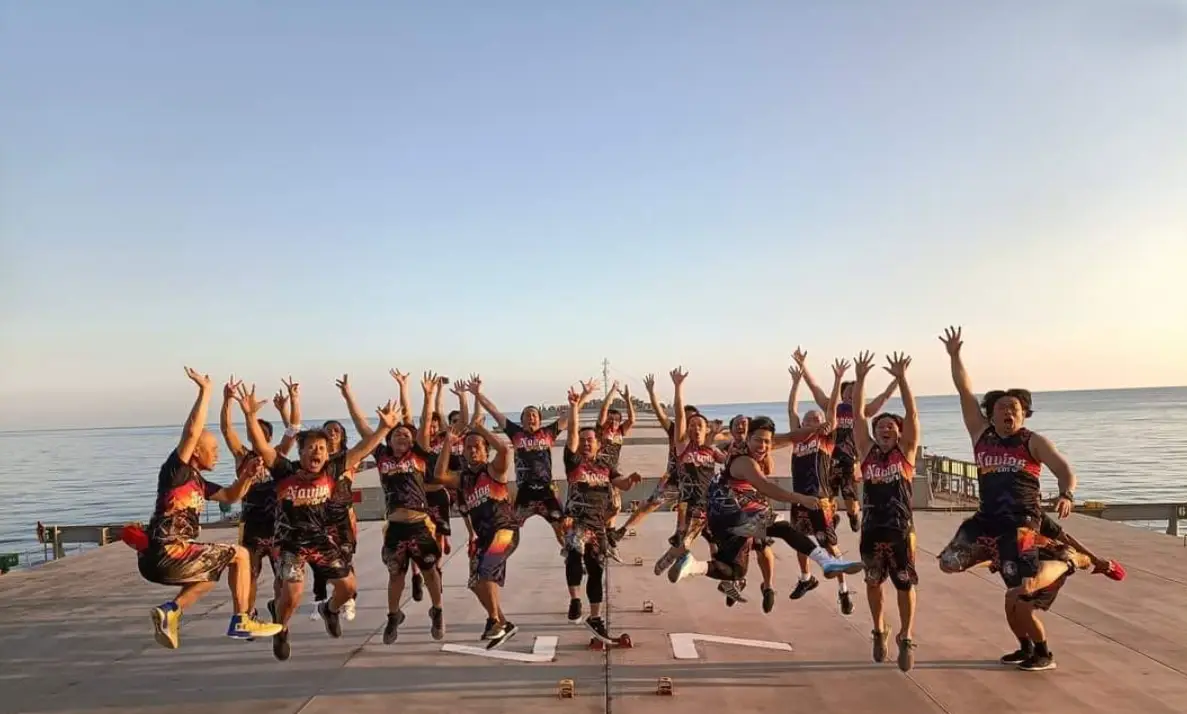
That is why countries such as the Philippines supply one of the largest numbers of seafarers in the world.According to International Chamber of Shipping 1,9 million seafarers exist all around the ships and 460.000 of Filipino men and women work onboard merchant ships because the profession offers financial stability not only for themselves but also for their families waiting at home.
This pattern is repeated across many countries in Asia, Eastern Europe, Africa, and South America.
Many of us come from modest backgrounds. Shipping became our opportunity to build a better life.
But there is another side to the story.
Every dollar earned at sea comes with a price.
You miss birthdays.
You miss anniversaries.
Sometimes you miss the birth of your own child.
You spend months away from your partner, parents, and friends. You celebrate holidays through video calls, and sometimes poor internet means you cannot even do that.
People often ask whether life onboard is difficult and sometimes it really is , lonely , exhausting.
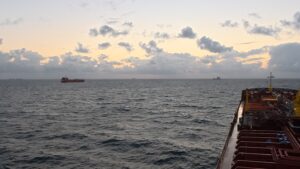
But sometimes, at two o’clock in the morning, when your watch is quiet and the ocean is completely calm, you look up at a sky filled with thousands of stars. There are no city lights, no traffic, no noise—only the sound of the sea.
In those moments, you realize that very few people on Earth will ever experience what you are seeing.
That feeling is impossible to describe unless you have lived it yourself.
So, are seafarers happy?
Some are.
Some are not.
Most of us simply accept that this career is a trade-off. We sacrifice time with the people we love in exchange for opportunities that can transform our lives and the lives of our families.
For many of us, the sea is not our dream.
It is the bridge that allows us to reach it.
This article is the first in my Life at Sea series, where I’ll share real experiences, honest opinions, and untold stories from the world of merchant shipping.
If you’ve never worked onboard, I hope these articles help you understand what life at sea is really like.
And if you’re a fellow seafarer, you may find parts of your own story here as well.