Maritime Categories Post

Ship Safety Lessons — Improving Safety Culture at Sea

Safety is the foundation of successful maritime operations. This episode explores important safety principles followed by professional seafarers, including risk assessment, teamwork, communication, and emergency response procedures.

Industry professionals share their experiences and explain how strong safety awareness helps protect crews, vessels, and the marine environment.

Maintenance Strategies for Safer Ship Operations

Machinery failures can create serious challenges for ship operations, affecting safety, efficiency, and voyage schedules. Effective maintenance planning is essential to minimize risks and maintain reliable vessel performance.

Regular inspections, condition monitoring, proper lubrication, and timely replacement of worn components help prevent unexpected breakdowns. Modern vessels also use digital monitoring systems and predictive maintenance technologies to identify potential problems early.

Marine engineers play a key role in preventing failures by analyzing equipment performance and following manufacturer guidelines and safety procedures.

By combining skilled engineering practices with modern technology, shipping companies can improve reliability, reduce operational costs, and create safer working environments onboard.

Transforming the Future of Maritime Operations

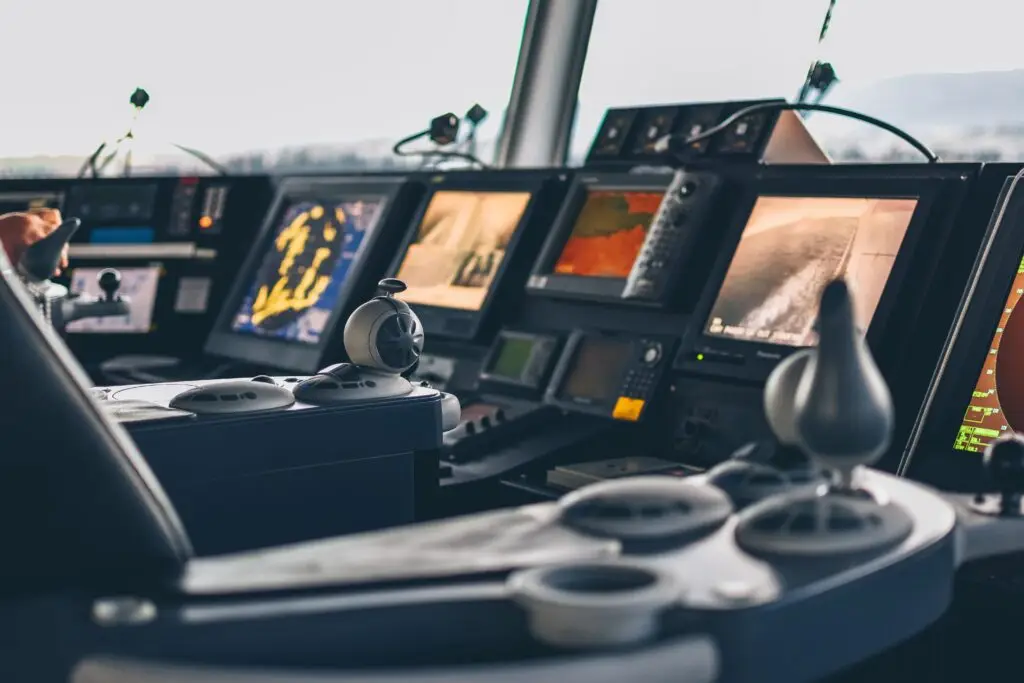
Artificial Intelligence (AI) is becoming one of the most influential technologies shaping the future of the shipping industry. From improving vessel safety to optimizing operational efficiency, AI solutions are helping maritime companies make smarter decisions.

Modern ships are using AI-powered systems to analyze large amounts of operational data, monitor equipment performance, predict maintenance requirements, and improve fuel efficiency. These technologies help reduce downtime and enhance overall vessel reliability.

AI is also supporting advanced navigation systems by assisting crews with route optimization, weather analysis, and collision avoidance. By combining human expertise with intelligent technology, shipping operations can become safer and more efficient.

As the maritime industry continues its digital transformation, artificial intelligence will play an important role in creating smarter, safer, and more sustainable shipping solutions.

Career Path, Training, and Requirements

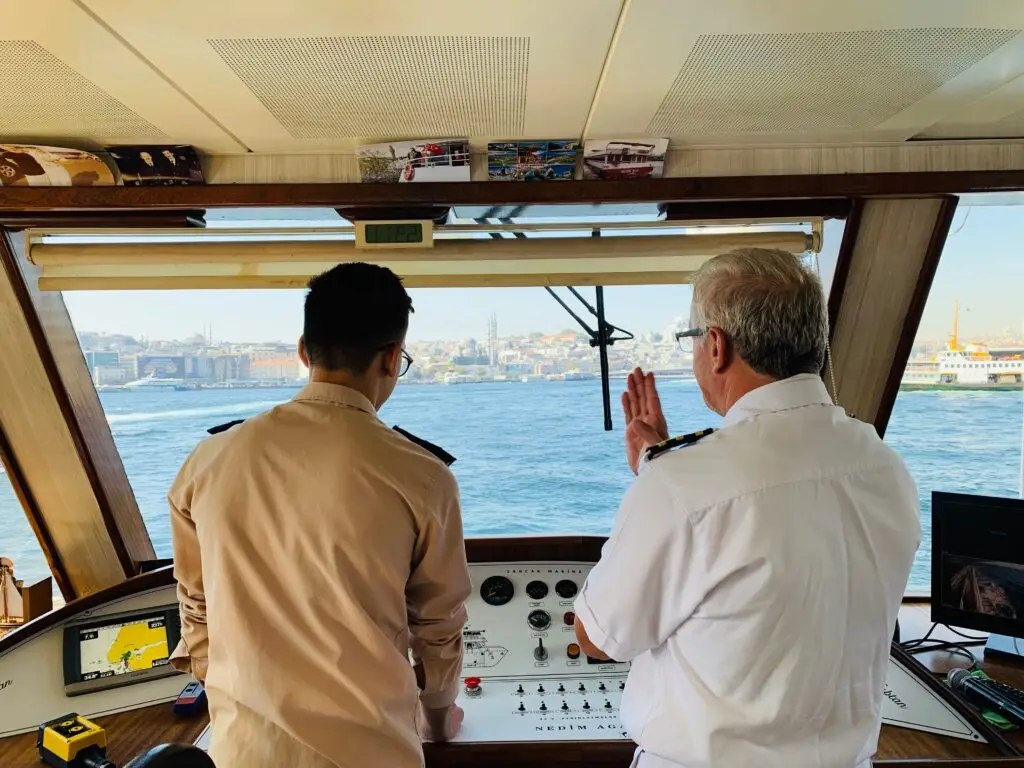
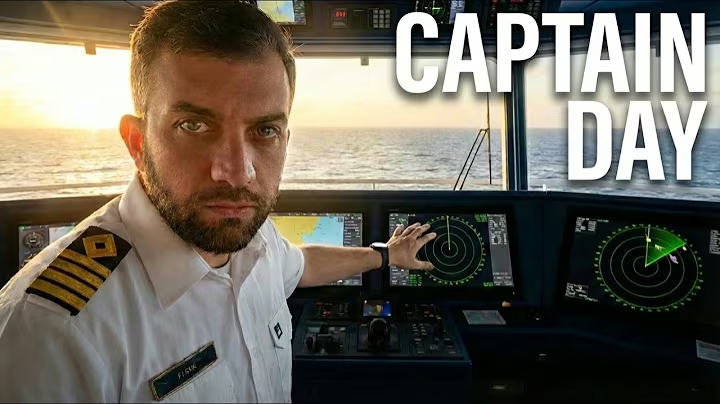
Becoming a deck officer is a rewarding career choice for individuals interested in navigation, leadership, and life at sea. Deck officers play a vital role in vessel operations, ensuring safe navigation, cargo management, and compliance with international maritime regulations.

The journey typically begins with maritime education and training at an approved maritime academy. Aspiring officers must develop knowledge in navigation, ship handling, safety procedures, communication systems, and marine regulations.

After completing academic training, cadets gain practical experience through onboard sea service. This hands-on experience helps them understand real-world ship operations and prepare for professional certification examinations.

A successful deck officer requires strong decision-making abilities, teamwork, leadership skills, and commitment to continuous learning. With experience and further qualifications, officers can progress to senior positions such as Chief Officer and Master Mariner.
Ship Incidents

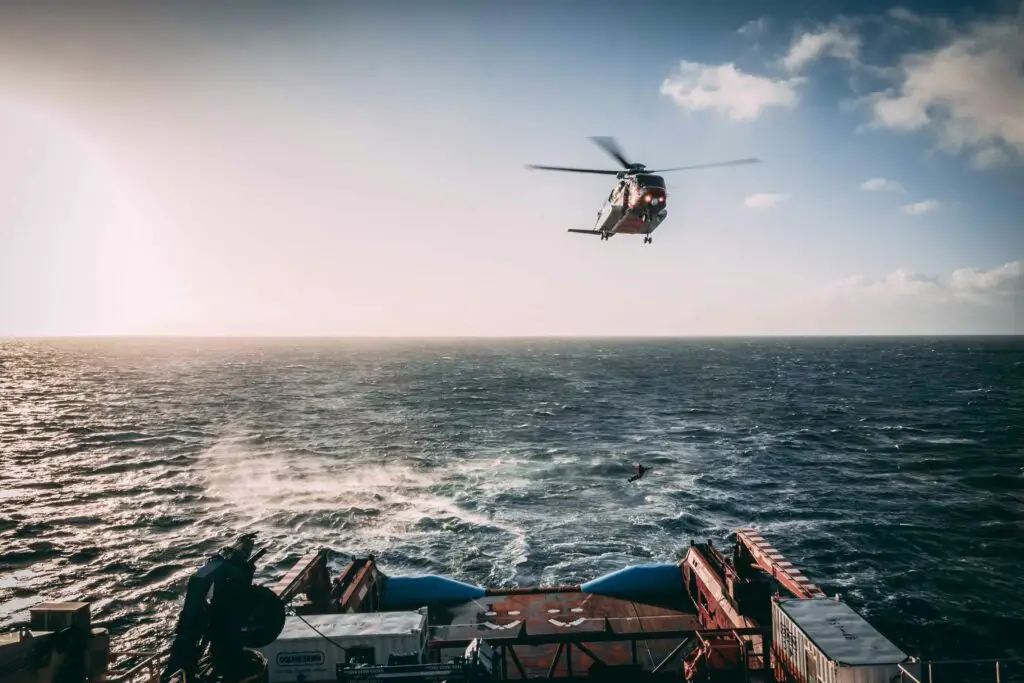
Access comprehensive reports covering ship accidents, groundings, collisions, engine failures, fires, pollution incidents, and rescue operations from around the world. Each article provides factual information, official investigation updates, safety lessons, and industry analysis to help maritime professionals understand the causes of incidents and improve operational safety at sea.

Global Shipping

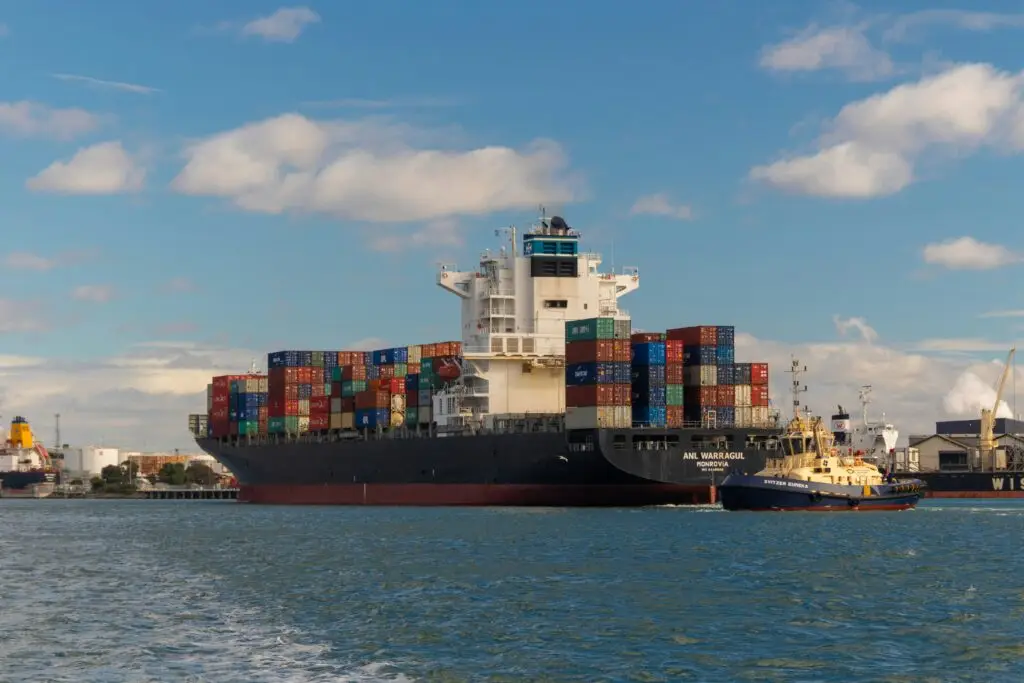
Stay informed with the latest developments from the global shipping industry. Explore breaking news on container shipping, bulk carriers, tanker operations, ports, logistics, freight markets, vessel technology, and international trade. Our coverage helps seafarers, ship managers, maritime professionals, and industry enthusiasts understand the events shaping commercial shipping across the world’s oceans.

This website uses cookies

We use cookies to personalize content, provide social media features, and analyze our traffic. We also share information about your use of our site with our analytics partners. You can change your preferences at any time.