Black Sea — July 19, 2026
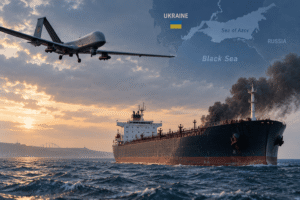
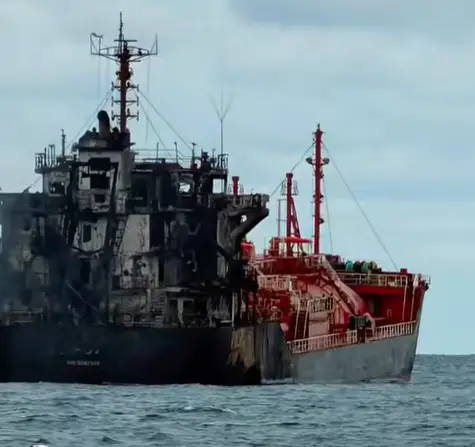
An LPG carrier sailing toward the Ukrainian port of Reni was reportedly struck by Russian drones near Romania’s Sulina Channel on July 19, according to Romanian authorities and international reports.
The vessel, Gas Lisbon, was carrying approximately 3,800 metric tons of propane and was reportedly attacked around 20 nautical miles (37 km) from Romanian territorial waters while proceeding toward Reni, Ukraine.
Following the attack, a fire broke out onboard the vessel. The ship had 20 crew members on board at the time of the incident. Initial reports indicated that 17 crew members were in good condition, while three others sustained serious injuries.
One Filipino Seafarer Dies From His Injuries
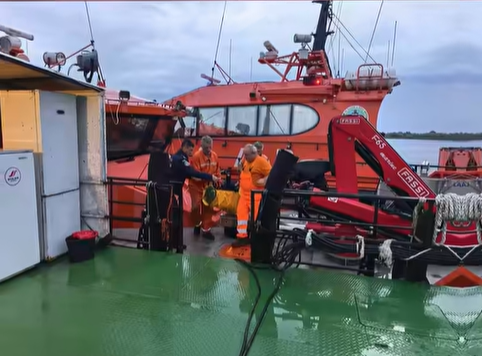
The injured crew members were evacuated and brought ashore in Romania, where they were transferred to Tulcea County Hospital for medical treatment.
According to the hospital director, a 45-year-old Filipino seafarer later died from complications caused by severe burns, including injuries to his respiratory tract.
Two other injured crew members remain in intensive care and are reported to be in stable condition.
The incident highlights the continuing risks faced by commercial vessels and seafarers operating in and around the Black Sea, where the war in Ukraine has increasingly affected maritime trade and navigation.
Gas Lisbon: Vessel Details
- Vessel: Gas Lisbon
- Type: LPG Carrier
- Flag: Liberia
- Year Built: 2002
- DWT: 8,064 tonnes
- Previous Name: Gas Fidelity
- Registered Owner: Gas Lisbon Inc., Istanbul, Türkiye
- Cargo: Approximately 3,800 metric tons of propane
- Voyage: Alexandria, Egypt → Reni, Ukraine
The vessel reportedly changed its name from Gas Fidelity after 2024.
Fire Continued After Crew Evacuation
The fire reportedly continued for an extended period after the crew had been evacuated from the vessel.
According to reports cited by AFP, the ship remained too hot to safely board for inspection even several days after the incident, making an immediate assessment of the vessel’s damage difficult.
The full extent of the structural and cargo-related damage has yet to be established.
Growing Concerns for Black Sea Shipping
The attack has renewed concerns over the safety of commercial shipping operating in the Black Sea and approaches to Ukrainian ports.
For merchant seafarers, the threat is particularly serious. Unlike military personnel, commercial crews are operating vessels primarily engaged in transporting energy products, agricultural commodities and other essential cargoes.
The incident involving Gas Lisbon demonstrates how quickly a routine commercial voyage can turn into a life-threatening situation.
Bridge teams operating in high-risk areas are increasingly required to remain alert to the possibility of drone and missile attacks, even when navigating outside the immediate conflict zone.
Romanian authorities have also expressed concern over the spillover effects of the war and the increasing risks posed to shipping close to the country’s maritime borders.
A Growing Threat to Maritime Trade
The Black Sea remains an important route for regional and international trade, connecting ports in Ukraine, Romania, Türkiye and other countries with global markets.
Repeated attacks and security incidents involving commercial vessels can have consequences far beyond the individual ships involved. They can increase insurance costs, disrupt port operations, affect freight rates and discourage shipowners and seafarers from operating in high-risk areas.
The international maritime community faces increasing pressure to establish and maintain effective safety measures and reliable maritime corridors for commercial shipping.
The death of a seafarer aboard Gas Lisbon is another reminder that behind every commercial vessel are crews who face the consequences of geopolitical conflicts despite having no role in them.
Further investigations are expected to determine the precise circumstances of the attack, the extent of the vessel’s damage and the full impact on its cargo and crew.