Latest Maritime News

Daily updates from the global maritime industry

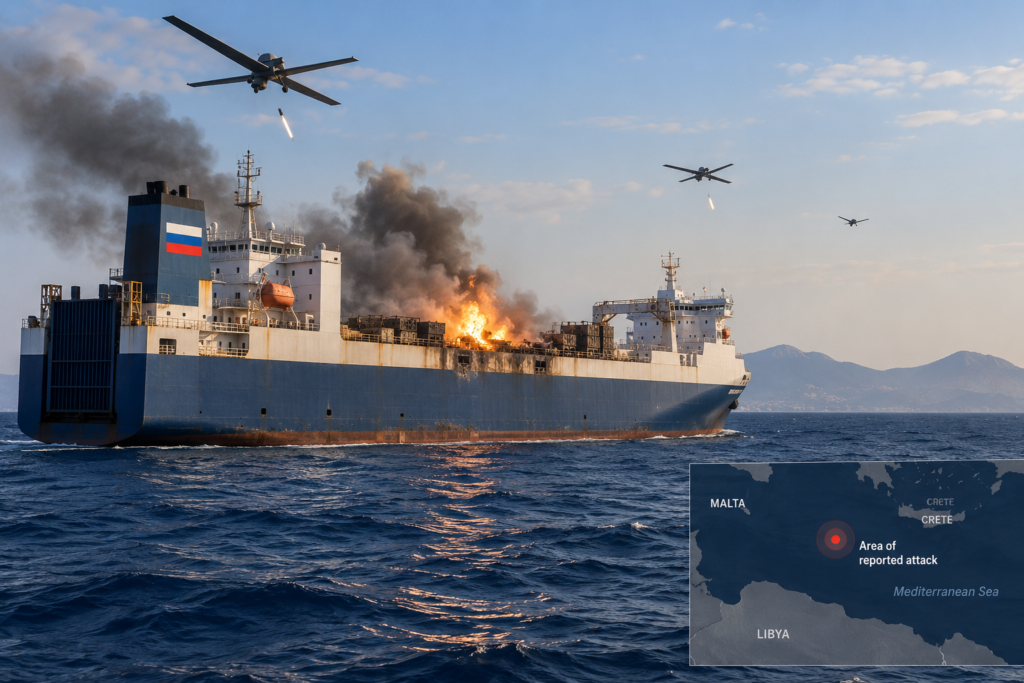
Russian-Flagged Cargo Vessel Reportedly Attacked by Drones in Mediterranean

A Russian-flagged roll-on/roll-off (Ro-Ro) cargo vessel was reportedly attacked by multiple aerial drones while sailing in the central Mediterranean Sea in early September.

According to information circulating online, the vessel departed Oran, Algeria, on September 1 and was later tracked sailing east of Malta. The reported attack occurred in the Mediterranean waters between Crete and Libya.

Drone Attack Reportedly Damaged Vessel

Video footage circulating online appears to show several drones approaching the vessel before dropping small munitions onto its deck.

The reported strikes allegedly damaged deck equipment and triggered a small fire onboard. Initial information indicates that the vessel remained afloat following the incident.

However, the full extent of the damage has not been independently verified. There is also no confirmed public information regarding possible injuries or casualties among the crew.

Vessel Linked to Russian Military Logistics

The vessel has previously been associated with the movement of Russian military-related cargo.

Ukrainian military intelligence has previously identified vessels operating within the same Russian maritime logistics network as being involved in the transportation of military and special-purpose cargo.

Despite these previous links, there is currently no independently verified information confirming what cargo the vessel was carrying when the reported attack took place.

Attacker and Motive Remain Unconfirmed

As of September 8, 2026, no publicly available official statement has confirmed responsibility for the reported attack.

Several key details remain unclear, including the origin of the drones, where they may have been launched from, and the precise motive behind the operation.

The incident is therefore still developing, and further information from maritime authorities, the vessel’s operator, or military sources may be required to establish what happened.

What We Know So Far

  • Vessel: Russian-flagged Ro-Ro cargo vessel
  • Departure: Oran, Algeria — September 1
  • Reported location: Central Mediterranean, between Crete and Libya
  • Weapons: Multiple aerial drones reportedly used
  • Reported damage: Deck equipment damaged and small fire
  • Crew condition: Not independently confirmed
  • Cargo: No independently verified information
  • Attacker: Not officially identified
  • Status: Vessel reportedly remained afloat

The reported incident highlights the growing security risks facing commercial and logistics vessels operating in the Mediterranean and surrounding waters, particularly those potentially connected to military supply networks.

Smuggling Boat Pilot Sentenced to 57 Months Over Fatal Capsizing Off San Diego

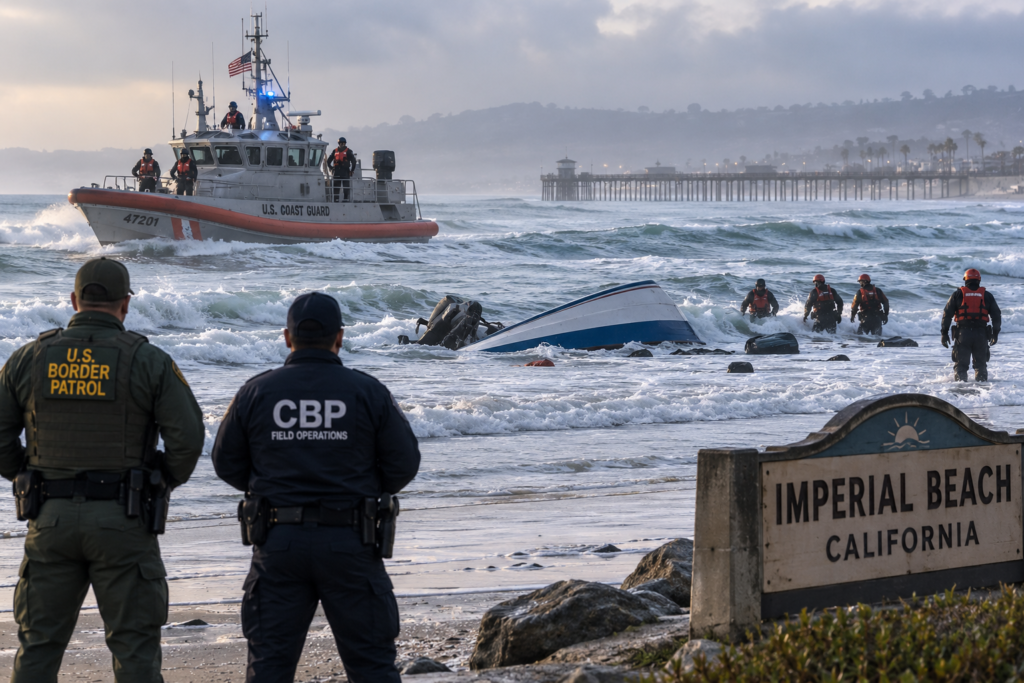
SAN DIEGO, California — A 38-year-old Mexican national has been sentenced to 57 months in federal prison for his role as the pilot of a small smuggling boat that capsized off Imperial Beach, California, resulting in the deaths of five undocumented immigrants.

David Alfonso Barrera Nunes was sentenced after pleading guilty to federal charges related to bringing undocumented immigrants into the United States for financial gain, resulting in death. The sentence was announced by the U.S. Attorney’s Office for the Southern District of California on September 4, 2026.

Boat Capsized in Heavy Surf

The incident occurred on November 14, 2025, after U.S. Border Patrol agents received information about a small vessel traveling north from Mexico toward Imperial Beach.

Dense fog initially prevented authorities from intercepting the boat. The vessel later entered the surf zone and capsized. Authorities recovered four bodies from the water, while a fifth victim was found several days later and identified as the boat’s co-pilot.

According to Nunes’ April 2026 plea agreement, the vessel was carrying nine undocumented passengers and was powered by a single outboard engine that had experienced repeated failures.

Nunes admitted that the boat did not have enough life jackets for everyone on board. As the vessel approached the shoreline, the engine failed again, causing the boat to rotate before capsizing approximately 200 yards from the coast.

Pilot Left Passengers After Capsizing

Federal authorities said Nunes managed to reach shore after the vessel overturned but did not attempt to rescue the passengers who remained in the water.

The case involved multiple federal agencies, including Homeland Security Investigations (HSI), U.S. Border Patrol, U.S. Customs and Border Protection (CBP), and the U.S. Coast Guard.

The fatal incident highlights the dangers associated with unseaworthy vessels used for maritime smuggling, particularly when boats operate without adequate safety equipment and with mechanical problems in challenging coastal conditions.

Nunes’ 57-month federal prison sentence follows his guilty plea to charges involving the unlawful transportation of people into the United States for financial gain and resulting in death.

10 Filipino Seafarers Repatriated After Refusing to Sail Through Strait of Hormuz

Governments are taking action to protect seafarers from high-risk waters and safeguard their lives and rights. Now, it is time for Black Sea states and other countries to reach agreements on maritime safety.

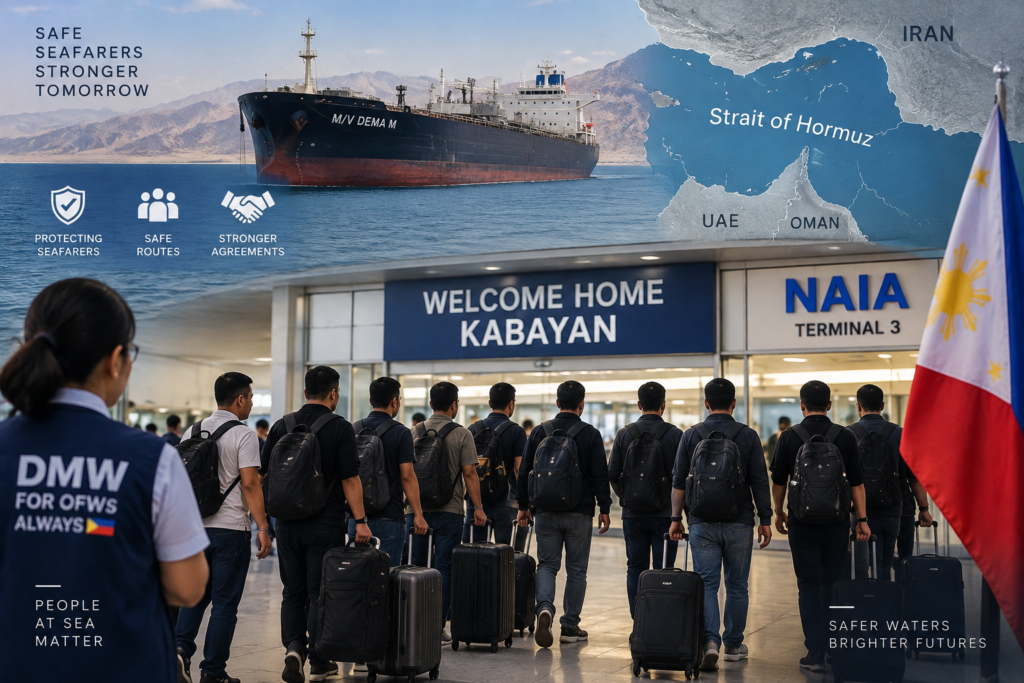
MANILA, Philippines — Ten Filipino seafarers have safely returned to the Philippines after refusing to sail aboard the M/V Dema M toward the Strait of Hormuz due to security concerns along the route.

The seafarers arrived in the Philippines on September 4, 2026, and were assisted by government officials upon their arrival at Ninoy Aquino International Airport (NAIA) Terminal 3.

Department of Migrant Workers (DMW) Assistant Secretary Venecio V. Legaspi, together with representatives from the DMW and the Overseas Workers Welfare Administration (OWWA), welcomed the returning seafarers.

The government agencies provided repatriation assistance and support to facilitate the seafarers’ safe return home.

DMW Supports Seafarers’ Decision

Legaspi said the DMW would continue to protect the rights, employment, and benefits of Filipino seafarers, particularly when they face circumstances that could put their safety at risk.

He also expressed the department’s support for the seafarers’ decision to decline the voyage amid security risks associated with the Strait of Hormuz, one of the world’s most strategically important maritime routes.

The decision comes as security concerns continue to affect commercial shipping operating in and around the region, raising concerns among shipowners, seafarers, and maritime authorities.

Repatriation Under UPLIFT Initiative

According to the DMW, the repatriation was carried out in line with President Ferdinand R. Marcos Jr.’s directive under the UPLIFT initiative.

The Philippine government recognizes the right of overseas Filipino workers, including seafarers, to refuse deployment or sailing assignments involving routes considered highly dangerous.

The policy forms part of the government’s continuing efforts to protect the safety and welfare of Filipino workers and their families, particularly when overseas employment exposes them to significant security risks.

The return of the ten seafarers highlights the growing importance of maritime security assessments and the protection of crew members operating in high-risk areas.

SMF IXORA Tanker Hits Sungai Johor Bridge After Drifting Out of Control

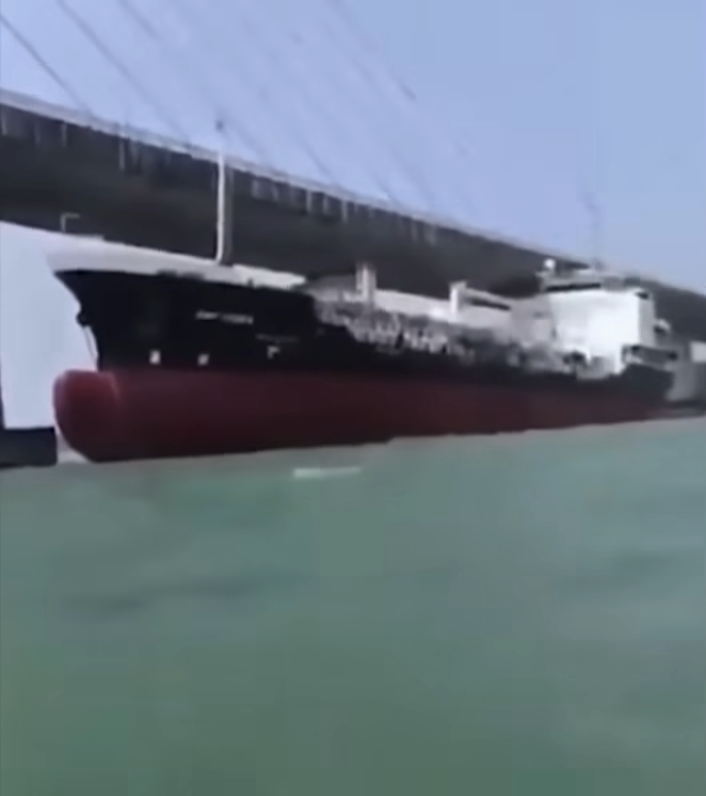
The Malaysian-flagged product tanker SMF IXORA struck the Sungai Johor Bridge in Kota Tinggi, Malaysia, on September 2, 2026, shortly after leaving the nearby Benzmark Marine Shipyard.

Vessel Details – SMF IXORA

  • Vessel: SMF IXORA
  • IMO Number: 9414101
  • Type: Oil Products Tanker
  • Flag: Malaysia
  • Year Built: 2007
  • Length: Approximately 100 m
  • Beam: Approximately 16 m
  • Deadweight: 5,643 tonnes
  • Gross Tonnage: 3,991 GT

The incident occurred at approximately 2:30 p.m. local time, when the tanker reportedly began drifting toward the bridge while being moved with the assistance of a tugboat. According to Malaysia’s Marine Department, strong currents contributed to the loss of control, while the escort tug reportedly did not have sufficient towing capacity to stop or redirect the vessel.

SMF IXORA Drifts Toward Sungai Johor Bridge

The SMF IXORA, an oil products tanker with an IMO number of 9414101, was being relocated from the Benzmark Marine Shipyard when the incident occurred.

The vessel was built in 2007 and measures approximately 100 metres in length, with a beam of around 16 metres and a deadweight of 5,643 tonnes.

During the manoeuvre, strong currents reportedly pushed the tanker away from its intended track and toward the Sungai Johor Bridge.

The tugboat assigned to control the vessel was reportedly unable to generate enough pulling power to prevent the tanker from drifting. As the situation developed, additional tugboats were brought to the area to assist.

Tanker Removed From Bridge

The SMF IXORA eventually came into contact with the bridge structure at around 2:30 p.m.

Two additional tugboats were subsequently deployed to assist with the recovery operation. The tanker was successfully moved away from the bridge at approximately 3:16 p.m. and was later taken to a safe anchorage.

The incident attracted attention from motorists using the bridge, with images and videos of the tanker alongside the bridge quickly circulating online.

Fortunately, no injuries were reported.

Sungai Johor Bridge Remains Open

Following the incident, the bridge was inspected by the relevant authorities.

The Senai-Desaru Expressway operator, Senai-Desaru Expressway Berhad (SDEB), said the inspection found the bridge to be safe for use. The structure reportedly sustained only minor damage and remained open to road traffic.

Reports also indicated that the tanker itself suffered minor damage, including damage to parts of its exhaust system, railing and navigation equipment.

Marine Department Investigates the Incident

Malaysia’s Marine Department has launched a further investigation into the circumstances surrounding the incident.

The preliminary information indicates that the tanker had just been launched into the water from the nearby shipyard before the accident. Authorities are examining the circumstances that led to the vessel drifting toward the bridge, including the effect of strong currents and the towing capability of the assisting tug.

At this stage, the investigation is ongoing, and the exact causes and responsibilities have not been officially established.

A Reminder of the Risks During Shipyard Manoeuvring

Although the incident resulted in no reported injuries and only minor damage, it highlights the risks involved when large vessels are moved in confined waters.

Shipyard departures and relocation manoeuvres can be particularly challenging because a vessel’s movement can be strongly affected by current, wind, available under-keel clearance, tug power and the vessel’s own manoeuvring characteristics.

Once a vessel begins to drift in a restricted waterway, there may be very little time to recover control, especially when a fixed structure such as a bridge is nearby.

The SMF IXORA incident also demonstrates why appropriate tug selection, risk assessment, communication and contingency planning are critical during vessel movements in confined waters.

The Marine Department’s investigation is expected to provide further information about exactly what happened and whether additional factors contributed to the tanker striking the Sungai Johor Bridge.

Turkish Flag General Cargo Ship Sinks After Collision in the Sea of Marmara, 10 Seafarers Missing

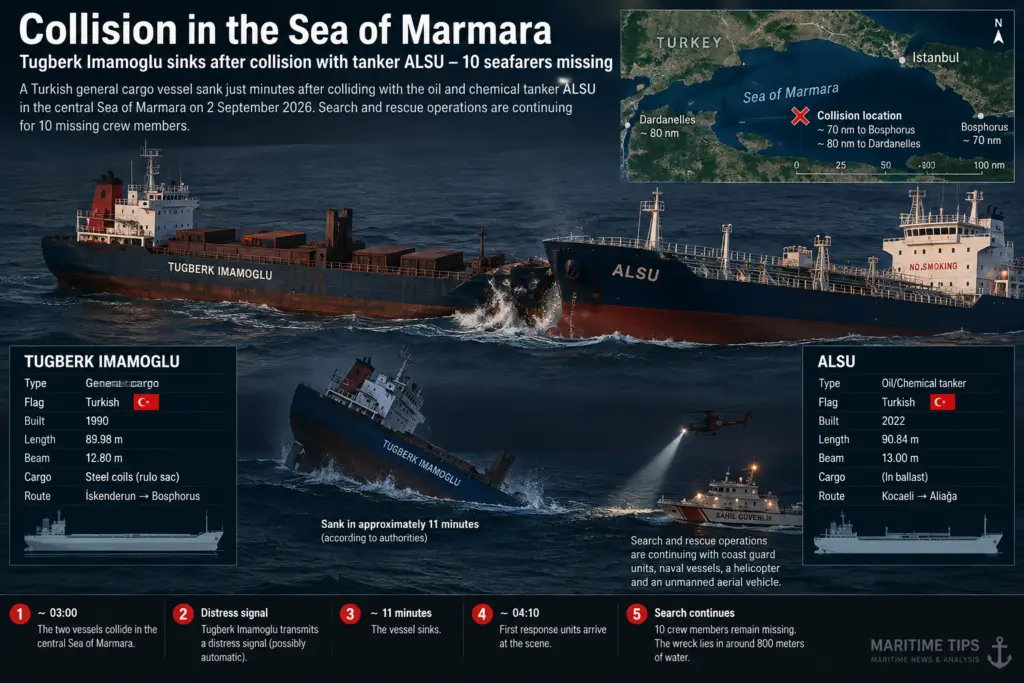
A Turkish general cargo vessel sank just minutes after colliding with the oil and chemical tanker ALSU in the Sea of Marmara early Wednesday morning. Ten crew members remain missing.

A major search and rescue operation is underway in the Sea of Marmara after the Turkish-flagged general cargo vessel Tugberk Imamoglu sank following a collision with the Turkish-flagged oil and chemical tanker ALSU.

The accident occurred at approximately 03:00 local time on September 2, in the central part of the Sea of Marmara, off Silivri. According to information released by Turkish authorities, the Tugberk Imamoglu sank in approximately 11 minutes.

All 10 crew members aboard the general cargo vessel are Turkish citizens, and authorities have so far been unable to establish contact with any of them.

Vessel Details

The sunken vessel, Tugberk Imamoglu, was a Turkish-flagged general cargo ship built in 1990.

  • Vessel: Tugberk Imamoglu
  • Type: General Cargo
  • Year Built: 1990
  • Flag: Turkey
  • Length: 89.98 meters
  • Beam: 12.80 meters
  • Cargo: Steel coils

The other vessel involved in the accident was ALSU, a Turkish-flagged oil and chemical tanker built in 2022.

  • Vessel: ALSU
  • Type: Oil/Chemical Tanker
  • Year Built: 2022
  • Flag: Turkey
  • Length: 90.84 meters
  • Beam: Approximately 13 meters

According to available vessel-tracking information, the ALSU was sailing from Kocaeli toward Aliağa and was in ballast at the time of the accident.

Where Did the Collision Happen?

The collision occurred in the middle of the Sea of Marmara, approximately 70 nautical miles from the Bosphorus Strait and around 80 nautical miles from the Dardanelles Strait.

The Tugberk Imamoglu had departed İskenderun and was proceeding toward the Bosphorus before the accident. The ALSU was approaching from the opposite direction.

The two vessels collided within the traffic separation scheme in the Sea of Marmara, an area where strict navigation procedures are particularly important because of the high volume of commercial traffic.

What Happened Between the Two Ships?

One of the most important questions in the investigation will be how the two vessels approached each other and which collision-avoidance situation existed immediately before the impact.

According to information from MarineTraffic and the reported VHF communications, the vessels were approaching each other from opposite directions.

Under the COLREGs, the exact responsibilities of each vessel depend on the circumstances and whether the situation was classified as a head-on, crossing or another type of encounter. If the vessels were in a head-on situation, both ships would normally be expected to alter course to starboard.

However, reported VHF communications appear to include repeated calls to the ALSU to alter course to port. The other vessel reportedly responded with an acknowledgement.

These communications could become an important part of the investigation, although VHF conversations alone cannot establish responsibility for the collision.

Authorities will likely examine the vessels’ AIS tracks, radar information, VDR recordings, bridge watchkeeping, helm orders, engine movements and communication records to determine exactly how the situation developed.

Why Did Tugberk Imamoglu Sink So Quickly?

The most striking detail of the accident is the reported sinking time.

Turkey’s Minister of Transport and Infrastructure, Abdulkadir Uraloğlu, said that the Tugberk Imamoglu sank in approximately 11 minutes. The accident site is also reported to have a water depth of around 800 meters, creating a major challenge for underwater search and recovery operations.

The Tugberk Imamoglu was carrying approximately 4,199 tonnes of steel coils.

Based on the vessel’s dimensions and the available information, one possible explanation for the rapid sinking could be extensive flooding following the collision.

If the ALSU struck the Tugberk Imamoglu with significant force, particularly in the starboard side, the impact could have created a large opening in the hull. Once seawater enters a cargo hold, flooding can progress extremely quickly, depending on the size and location of the damage, internal subdivision, cargo arrangement and the condition of the vessel.

The vessel was a relatively small general cargo ship with large cargo spaces. Significant flooding of one cargo hold could rapidly reduce the vessel’s reserve buoyancy and stability.

The presence of heavy steel coils would also be an important factor for investigators when reconstructing the vessel’s condition before the accident.

However, the exact reason for the Tugberk Imamoglu’s rapid sinking has not yet been officially established. The location and extent of the hull damage, the condition of the cargo holds, watertight integrity, loading condition and possible progressive flooding will all need to be examined.

Could the Crew Have Had Time to Abandon Ship?

Another important question is whether the crew had enough time to react after the collision.

The Tugberk Imamoglu reportedly transmitted a distress signal, although authorities noted that the signal may have been automatically activated during the sinking process.

The vessel’s life-saving appliances and free-fall lifeboat were later found in the sea, but no crew members were located inside.

A severe collision during the early morning hours can create an extremely difficult situation for a bridge team and crew. If the impact caused rapid flooding, the crew may have had only a very limited amount of time to assess the damage, raise the alarm, muster and abandon ship.

The investigation will need to establish whether a general alarm was activated, whether the crew received sufficient warning and whether the abandonment equipment could be deployed before the vessel lost stability.

Claims That the Tanker Left the Scene

The owner of the Tugberk Imamoglu, Tahsin Doğruyol, has made serious allegations regarding the accident.

According to his statement, the captain of the Tugberk Imamoglu warned the ALSU twice before the collision. He also claimed that the tanker was not following the expected course and that the vessel left the scene after the collision.

Doğruyol said his company became aware of the accident through its own alarm system and claimed that approximately 31 minutes were lost.

At sea, vessels have obligations to render assistance to persons in distress. Whether the ALSU remained at the scene, how quickly assistance was provided and what happened immediately after the collision will therefore be important parts of the official investigation.

At this stage, however, the circumstances surrounding the ALSU’s movements after the collision remain under investigation.

Search and Rescue Operation Underway

Following the accident, the Turkish Coast Guard and the Directorate General of Coastal Safety launched a large-scale search and rescue operation.

The first emergency response units reached the area at approximately 04:10.

Initially, 14 maritime search and rescue units and one helicopter were deployed to the area.

The Turkish Ministry of National Defence later announced that additional naval assets had been directed toward the accident site.

These included:

  • TCG Salihreis frigate
  • TCG Akın rescue and salvage vessel
  • TCG Osmangazi landing ship
  • TCG Karayel fast attack craft
  • One unmanned aerial vehicle supporting the search operation

Despite the discovery of the Tugberk Imamoglu’s life-saving equipment in the sea, none of the 10 missing crew members had been located at the time of the latest official statements.

Investigation Will Focus on the Final Minutes

The accident raises several critical questions for investigators.

Why did the vessels collide despite operating in one of Turkey’s busiest maritime areas? What were their exact courses and speeds before the collision? What did the radar and AIS systems show? Which vessel had the right of way under the applicable COLREGs situation? What orders were given on both bridges? And why did the Tugberk Imamoglu sink in such a short period of time?

Investigators are expected to examine the vessels’ VDR data, AIS tracks, radar recordings, ECDIS information, engine and steering records, VHF communications and bridge watchkeeping procedures.

The condition of the Tugberk Imamoglu’s hull and cargo holds will also be critical in determining why the vessel sank so rapidly.

With the wreck now lying in approximately 800 meters of water, recovering the vessel and obtaining physical evidence could be extremely difficult.

For now, the priority remains finding the 10 missing seafarers.

The investigation into the collision between the Tugberk Imamoglu and ALSU is continuing.

Passenger Medically Evacuated from Cruise Ship Carnival Legend Off the Coast of England

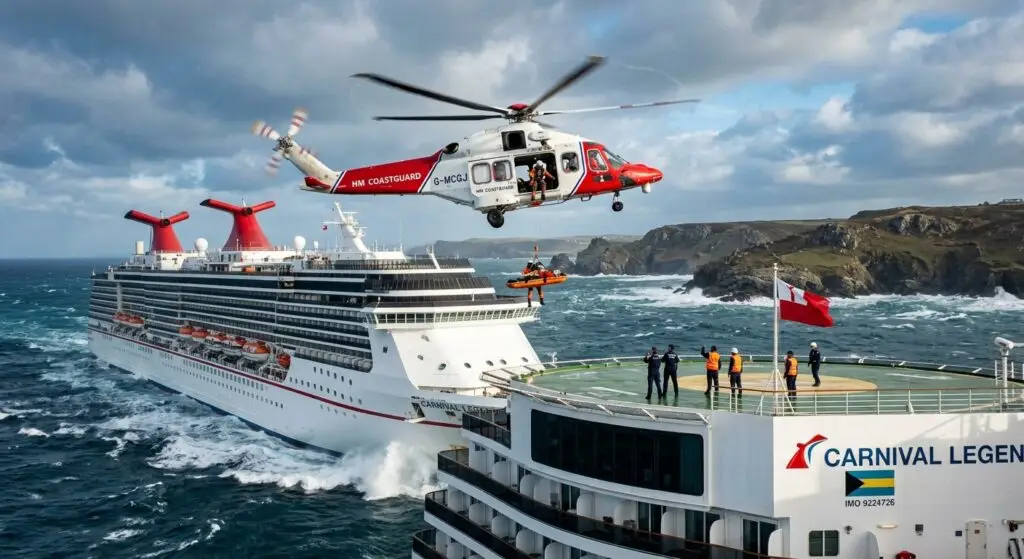
A passenger aboard the Carnival Legend was medically evacuated by helicopter after a medical emergency occurred while the cruise ship was sailing off the southwest coast of England.

Vessel Name : Carnival Legend

Year of Built : 2002

Flag : Bahamas

Vessel type : Cruise / Passenger Ship

Lenght : 292,50 mtr

Beam : 38,80 mtr

Gross Tonnage : 85942

The incident took place on Saturday, August 29, 2026, during the final sea day of the ship’s British Isles itinerary. The passenger was airlifted from the cruise ship by HM Coastguard and transported to Newquay Airport in Cornwall before being transferred to an ambulance for further medical treatment.

Carnival Legend Requests Medical Evacuation

HM Coastguard received a request for assistance at approximately 9:40 a.m. local time after the Carnival Legend reported a medical emergency while sailing off the southwest coast of England.

The cruise ship made a minor course adjustment to support the helicopter evacuation. Once the passenger had been safely removed from the vessel, the Carnival Legend resumed its planned voyage toward Dover.

Authorities have not released the passenger’s name, age, or specific medical condition.

The available information indicates that the evacuation was carried out because the passenger required medical treatment that could not be provided adequately while the ship remained at sea.

Passenger Was Evacuated to Newquay

Following the aerial evacuation, the passenger was flown to Newquay Airport in Cornwall.

An ambulance was waiting at the airport to continue the transfer to a medical facility. This type of coordinated response allows seriously ill or injured passengers to reach shore-based medical care much faster than waiting for a cruise ship to arrive at its next scheduled port.

For cruise ships operating hundreds of miles from major medical facilities, helicopter evacuation can sometimes be the quickest option available.

Carnival Legend Was Completing a British Isles Cruise

The Carnival Legend began its 10-night British Isles voyage on August 20, departing from Dover.

The itinerary included destinations in Ireland, Wales, England, Scotland and the Isle of Man before the ship began its return journey toward Dover.

The medical emergency occurred during the final sea day as the vessel was sailing from Douglas on the Isle of Man toward Dover.

Despite the interruption, the ship continued its voyage after the evacuation was completed.

Why Medical Evacuations Are Necessary on Cruise Ships

Medical emergencies can occur at any time during a cruise, and ships have onboard medical facilities designed to provide initial treatment and stabilization.

However, cruise ship medical centers do not have the same capabilities as major hospitals on shore. Serious conditions may require specialist treatment, advanced diagnostic equipment or surgical facilities that are not available onboard.

Conditions such as heart attacks, strokes, severe injuries and other life-threatening emergencies may therefore require a passenger or crew member to be transferred to a shore-based hospital.

The evacuation method depends on several factors, including the patient’s condition, the ship’s location, weather conditions and the distance to the nearest suitable medical facility.

When a vessel is close enough to land, the ship may divert toward a port. In more urgent situations, a helicopter evacuation can significantly reduce the time needed to reach professional medical care.

Medical Evacuations Are Not Unusual at Sea

Medical evacuations are a regular part of emergency operations in the cruise industry. Cruise ships carry thousands of passengers and crew members, and medical emergencies can happen even when a ship is far from its scheduled port.

In some cases, passengers may also require evacuation while the vessel is alongside in a foreign port. The decision depends on the severity of the condition and the level of medical treatment available locally.

The Carnival Legend incident highlights the importance of emergency coordination between cruise ships and maritime rescue authorities when serious medical situations occur offshore.

What Happened to the Passenger?

At the time of reporting, authorities had not released details about the passenger’s identity, age or medical condition.

It is therefore unclear what caused the medical emergency or what treatment the passenger required after arriving in Cornwall.

The Carnival Legend continued toward Dover following the successful evacuation.

Frequently Asked Questions

What happened aboard Carnival Legend?

A passenger suffered a medical emergency while the Carnival Legend was sailing off the southwest coast of England on August 29, 2026. HM Coastguard was contacted and the passenger was evacuated by helicopter.

Where was the passenger taken?

The passenger was flown to Newquay Airport in Cornwall, where an ambulance was waiting to transport them for further medical treatment.

Did Carnival Legend have to cancel its voyage?

No. The ship made a minor course adjustment during the evacuation and then continued its voyage toward Dover.

Why are cruise passengers medically evacuated?

Passengers may be medically evacuated when they require treatment or medical facilities that cannot be adequately provided onboard the cruise ship. In serious cases, transferring the patient to a shore-based hospital can be the safest and fastest option.

Has the passenger’s condition been released?

No. Authorities have not publicly released the passenger’s identity, age or specific medical condition.

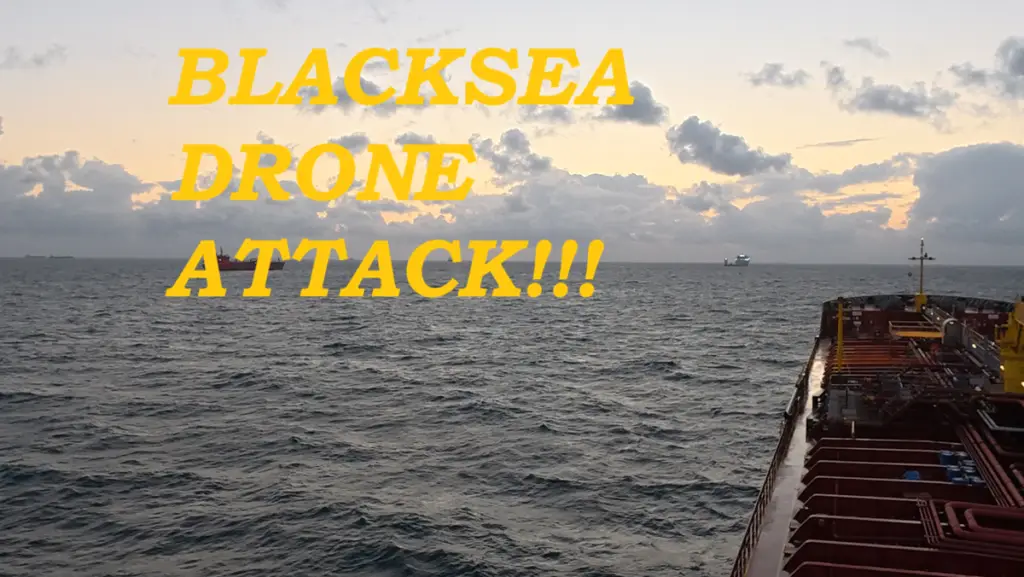
Two Ships Damaged in Black Sea Attacks Run Aground on Turkey’s Coast

Two vessels damaged in separate attacks in the Black Sea have run aground on Turkey’s coast, adding to growing concerns over the safety of commercial shipping in the region.

Vessel name : Golden Sapling

Built : 1999

Flag: Hong Kong

Vessel Type : Oil chemical Tanker

Lenght : 147,83 mtr

Beam : 24,20 mtr

Deadweight : 19455 tonnes

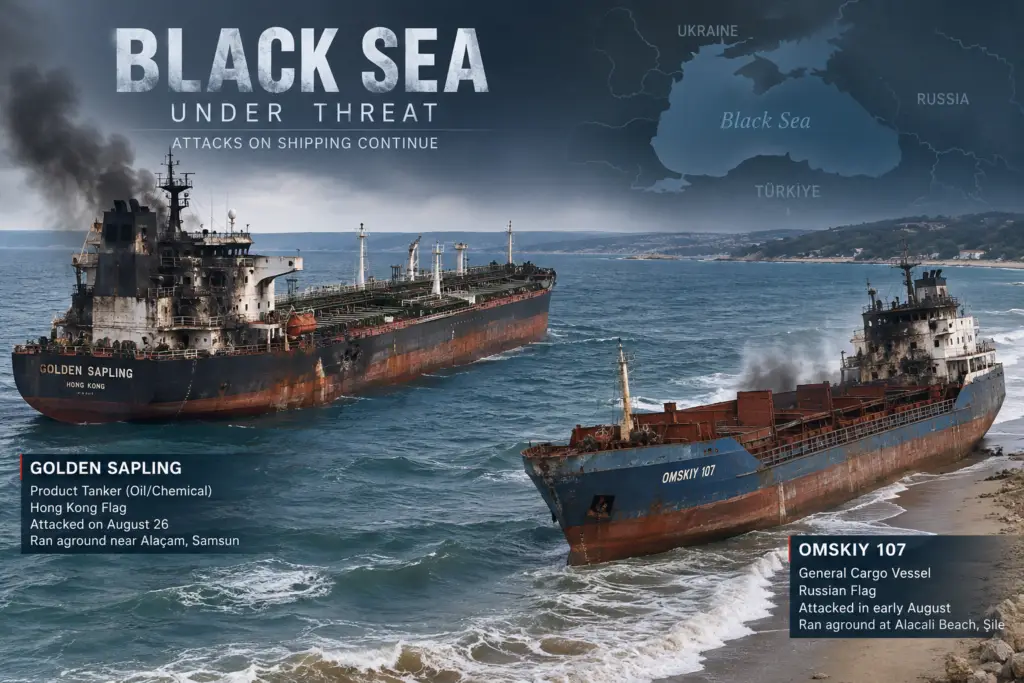
On August 30, the product tanker Golden Sapling ran aground near Alacam in Samsun Province, Turkey, after drifting without a crew for four days.

The Hong Kong-flagged, Chinese-owned tanker was reportedly struck by a drone on August 26, approximately 90 nautical miles off Sinop, in the Black Sea. The attack caused severe damage to the vessel’s bridge and deckhouse, with fire badly affecting the upper part of the ship.

All 21 crew members were evacuated after the incident. According to reports, the crew was rescued by the Greek-flagged tanker Maran Pythia, leaving Golden Sapling abandoned at sea.

Without a crew onboard, the damaged tanker continued drifting for several days before eventually reaching the Turkish coastline.

Second Damaged Vessel Runs Aground Near Istanbul

Vessel name : Omskiy 107

Built : 1981

Flag: Russia

Vessel Type : General Cargo

Lenght : 108,40 mtr

Beam : 15 mtr

Deadweight : 3248 tonnes

Only hours after the Golden Sapling incident, another damaged vessel was reported aground on Turkey’s Black Sea coast.

The Russian-flagged cargo ship Omskiy 107 ran aground at Alacali Beach in the Şile district of Istanbul. The vessel had also been abandoned by its crew following an earlier attack.

The 108-metre cargo ship, built in Romania in 1981 and operated by Moscow-based Avomar Shipping, had reportedly been drifting across the Black Sea for almost four weeks.

Omskiy 107 was attacked near Novorossiysk in early August. Images from the vessel after reaching the Turkish coast show extensive fire damage around the bridge and accommodation area.

The ship’s prolonged drift highlights the risks created when damaged commercial vessels are left without propulsion or crew in one of the world’s busiest maritime regions.

Turkey Protests Black Sea Shipping Attacks

Following the incidents, Turkey’s Foreign Ministry summoned the Ukrainian ambassador to protest the attacks involving commercial vessels in the Black Sea.

The latest incidents have also raised concerns among shipping companies operating in the region, particularly as attacks on merchant vessels continue to affect commercial maritime traffic.

According to authorities, MSC has suspended its Novorossiysk container service, reflecting the growing security concerns surrounding Black Sea operations.

Growing Risks for Merchant Ships in the Black Sea

The grounding of Golden Sapling and Omskiy 107 demonstrates how an attack on a merchant ship can create risks long after the initial strike.

A vessel that loses propulsion, suffers major fire damage, or has to evacuate its crew can become a drifting hazard. If the ship is not quickly secured or towed, currents and weather can eventually push it toward coastal areas.

For seafarers and shipping companies, the situation remains a serious reminder that the risks associated with the Black Sea conflict extend beyond the immediate attack zone.

As attacks on commercial vessels continue, shipowners and operators may face increasing pressure to reconsider routes, security measures and port calls in the region.

Kuwait-Flagged Tanker Al Salam II Hit by Projectile in Strait of Hormuz

Kuwait-flagged tanker Al Salam II was hit by an unknown projectile in the Strait of Hormuz, causing a small hull breach and fire.

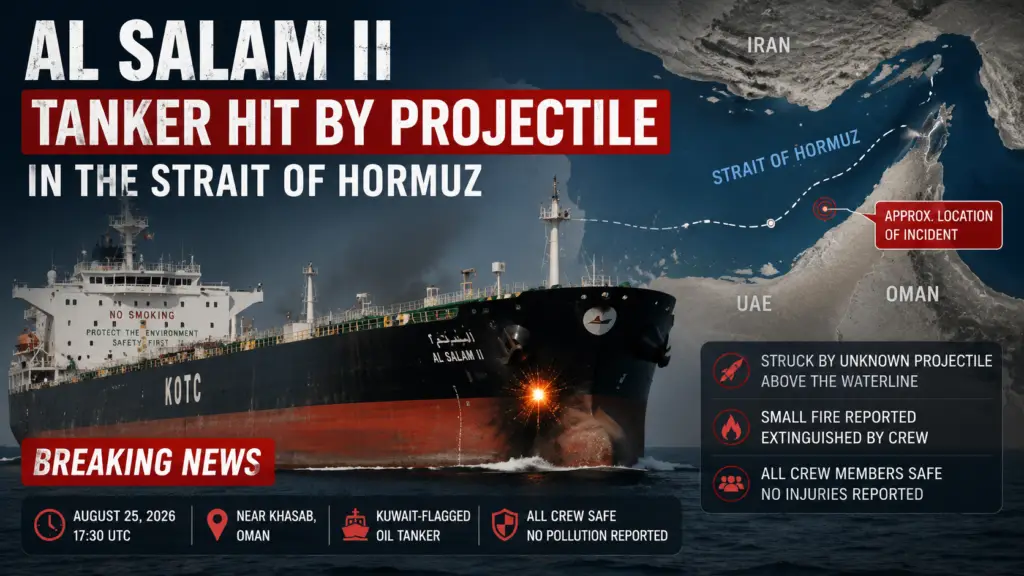
A Kuwait-flagged crude oil tanker Al Salam II was struck by an unknown projectile while transiting the Strait of Hormuz on August 25, 2026, according to maritime security information.

The incident caused a small breach above the vessel’s waterline and a fire onboard. The crew managed to extinguish the fire, and no injuries or oil pollution were reported.

The latest incident adds to growing security concerns for commercial vessels navigating the Strait of Hormuz.

Al Salam II Hit While Sailing Eastbound

According to information reported by the United Kingdom Maritime Trade Operations (UKMTO), the tanker was sailing eastbound through the Strait of Hormuz when it was hit at approximately 17:30 UTC near Khasab, Oman.

The projectile struck the vessel above the waterline, causing a small hole in the hull and a minor fire.

The crew responded to the incident and successfully extinguished the fire.

At the time of the reports, all crew members were safe, and there were no reports of environmental pollution.

The incident is being investigated, while vessels operating in the area have been advised to maintain caution.

Al Salam II Vessel Details

The vessel involved was identified as Al Salam II, a Kuwait-flagged oil tanker.

The tanker was built in 2007 and measures approximately 228 metres in length with a beam of 32.25 metres. Its IMO number is 9328168.

The attack occurred while the vessel was transiting one of the world’s most strategically important shipping routes.

The Strait of Hormuz connects the Persian Gulf with the Gulf of Oman and the Arabian Sea, making it a critical route for international oil transportation.

Another Tanker Was Hit Just One Day Earlier

The incident involving Al Salam II came only one day after another tanker was attacked in the region.

On August 24, the Liberia-flagged crude oil tanker Metro Venetian was struck by an unidentified projectile off Oman.

The projectile reportedly hit the vessel’s engine-room area, causing damage and leaving the tanker without propulsion. The crew was reported safe, and no environmental impact was reported at the time.

The close timing of the two incidents has raised further concerns about the security of commercial shipping around the Strait of Hormuz.

Growing Risk for Commercial Shipping

The latest attacks highlight the continuing risks faced by merchant vessels operating in and around the Strait of Hormuz.

Shipping traffic through the waterway has already fallen significantly compared with normal levels. Reuters reported that AIS-tracked vessel movements were around 90% below pre-conflict levels during the August 15–21 period.

Despite the reduced traffic, some tankers continue to transit the waterway, exposing crews and vessels to significant navigational and security risks.

For shipowners and operators, the situation creates additional challenges involving voyage planning, war-risk insurance, security assessments and crew safety.

What Happens Next?

The circumstances surrounding the attack on Al Salam II remain under investigation, and no responsibility for the projectile attack has been established in the reports reviewed.

For seafarers, however, the incident is another reminder of how quickly the security situation can change in a major commercial shipping route.

As long as tensions remain high around the Strait of Hormuz, vessels transiting the area are likely to face increased security precautions and operational uncertainty.

Two Seafarers Die After Oil Chemical Tanker DL Amber Fire Off South Korea

Two South Korean seafarers have died after a serious fire broke out onboard an oil products tanker off Incheon, South Korea, on the night of August 27, 2026.

The vessel, reportedly named DL Amber, is a 7,333-ton oil products tanker. The ship was sailing from Incheon Port toward Ulsan when the fire broke out in the engine room.

Ship name : DL Amber

Lenght : 127,68 mtr

Width : 19,60 mtr

Tonnage : 7333 tons

Flag: Korean

Built : 2010

Owner : Donglim Tanker

According to reports from South Korean authorities, the fire was reported at around 10:38 p.m. on August 27, while the tanker was approximately 7.4 kilometers north of Jawoldo Island in Incheon.

Two Crew Members Found in Engine Room

There were 18 crew members onboard, including 11 South Korean nationals and seven foreign crew members.

During the firefighting and rescue operation, two South Korean male crew members, one in his 20s and another in his 60s, were found in cardiac arrest inside the engine room.

Both seafarers were taken toward port for emergency medical treatment, but unfortunately they could not be saved and were pronounced dead.

The remaining 16 crew members were successfully rescued by the Korean Coast Guard and were reported to be in stable condition.

Fire Started in Engine Room

Initial information indicates that the fire started inside the engine room.

However, authorities have not yet confirmed the exact cause of the fire. An investigation will be carried out to determine what caused the fire and how it developed.

This is an important point because the engine room contains several potential sources of ignition, including fuel systems, lubricating oil, electrical equipment, generators and high-temperature machinery. At this stage, however, it would be incorrect to say that any particular piece of equipment caused the fire.

The Coast Guard has only confirmed that the fire is believed to have originated in the engine room.

Cargo Tanks Were Not Affected

One of the most serious concerns in any tanker fire is the possibility of the fire spreading from the machinery spaces toward the cargo tanks.

In this case, authorities reported that the fire did not spread to the vessel’s main oil cargo tanks.

This prevented the incident from becoming a much larger tanker emergency and there were no reports of an oil spill resulting from the fire.

The tanker had reportedly departed Incheon Port at around 8:00 p.m. and was heading toward Ulsan when the incident occurred.

Coast Guard Fought Fire For More Than Five Hours

The Korean Coast Guard responded with a large-scale rescue and firefighting operation.

According to reports, 24 Coast Guard vessels, one aircraft and three vessels from related agencies were involved in the operation.

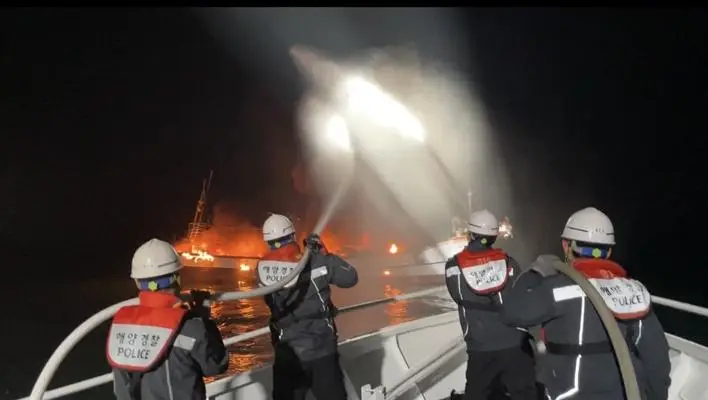
Firefighting continued for more than five hours before the fire was finally extinguished at approximately 4:01 a.m. on August 28, around 5 hours and 32 minutes after the initial report.

The incident could have developed into a much more serious maritime disaster if the fire had reached the cargo area.

Investigation Underway

The exact cause of the fire remains unknown at this stage.

South Korean authorities are now investigating the incident, including the cause of the fire, the extent of damage to the tanker and the circumstances surrounding the deaths of the two crew members.

For seafarers, engine-room fires remain one of the most dangerous emergencies onboard because they can rapidly fill enclosed spaces with smoke and toxic gases while simultaneously affecting the vessel’s power generation and propulsion systems.

Fortunately, the fire onboard DL Amber was contained before reaching the main cargo tanks, while 16 of the 18 crew members were rescued safely.

The investigation will now be important in determining exactly what happened inside the engine room and what caused the fire to develop so rapidly.

Did Zuckerberg’s Yacht Ignore a Distress Call? What Maritime Law Says

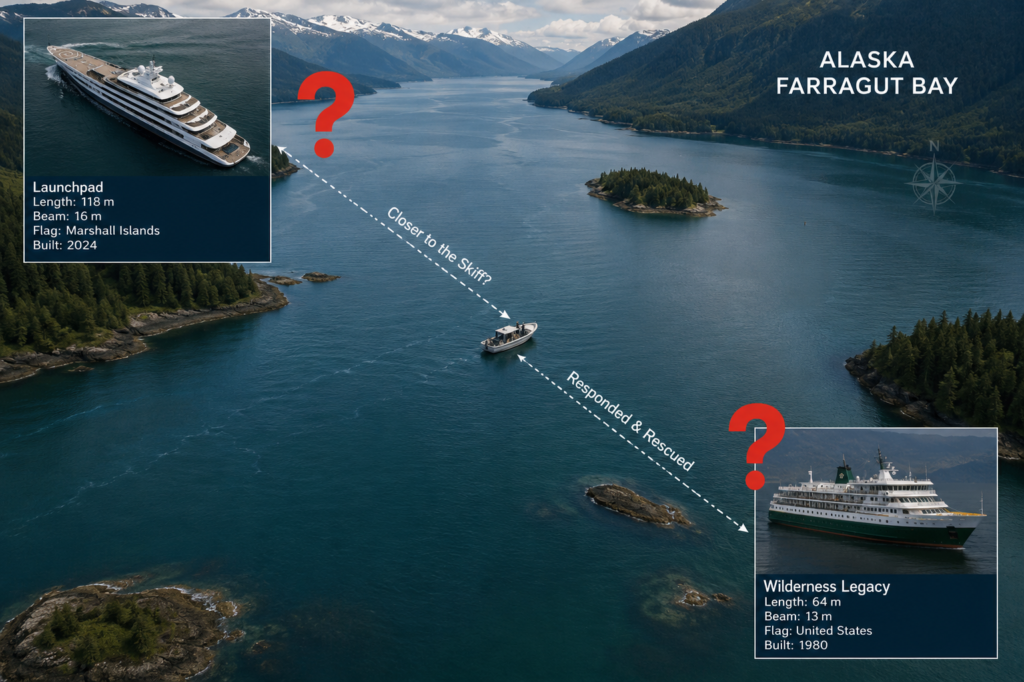
Mark Zuckerberg’s 118-meter superyacht Launchpad was reportedly closer to a small boat that ran out of fuel in Alaska, while the much smaller Wilderness Legacy cruise vessel responded and towed the boat to safety. But did Launchpad actually break maritime regulations?

Did Zuckerberg’s Yacht Ignore a Stranded Boat? A Mariner’s Look at the Alaska Rescue

The incident has attracted significant attention online after a 21-foot skiff ran out of fuel in Southeast Alaska and requested assistance from the U.S. Coast Guard.

According to reports, the skiff was operating between Petersburg and Juneau when it ran out of fuel. The nearby Wilderness Legacy, a small expedition cruise vessel, eventually responded and towed the stranded boat to Farragut Bay, where everyone was brought to safety.

The controversy began because AIS tracking reportedly showed Mark Zuckerberg’s superyacht Launchpad closer to the stranded skiff than the Wilderness Legacy.

That immediately created a simple question for the public:

If the closest vessel did not respond, did it violate maritime regulations?

From a mariner’s perspective, the answer is more complicated than the headlines suggest.

Launchpad: Mark Zuckerberg’s Superyacht

Launchpad is a 118-meter Feadship superyacht associated with Meta CEO Mark Zuckerberg.

The vessel was built in 2024 and flies the Marshall Islands flag. Available specifications list her beam at approximately 16.3 meters and her draft at approximately 4.6 meters.

Launchpad specifications

  • Name: Launchpad
  • Length: 118 meters
  • Beam: 16.3 meters
  • Built: 2024
  • Flag: Marshall Islands
  • Builder: Feadship
  • Draft: approximately 4.6 meters

However, one important detail should be made clear: Mark Zuckerberg himself was reportedly not onboard the yacht at the time of the incident. His spokesperson said that the crew did not hear the Coast Guard’s assistance request initially because they were operating on another radio channel. By the time they became aware of the situation, assistance was already underway.

The Vessel That Actually Responded

The vessel that ultimately assisted the stranded skiff was Wilderness Legacy, an expedition cruise ship operated by UnCruise Adventures.

According to reports, the vessel altered its course, reached the stranded boat and towed it into the sheltered waters of Farragut Bay. Everyone aboard the skiff was safe.

Wilderness Legacy specifications

  • Name: Wilderness Legacy
  • Length: approximately 64 meters
  • Beam: approximately 13 meters
  • Flag: United States
  • Built: 1980

The rescue itself was successful. The controversy is really about why Launchpad did not respond first.

What Do Maritime Regulations Actually Say?

This is where the story becomes particularly interesting for anyone working at sea.

Many people immediately referred to SOLAS and COLREGs, claiming that the nearest vessel was legally required to go and rescue the skiff.

That statement is too simple.

SOLAS and the duty to assist persons in distress

SOLAS Chapter V contains a general obligation concerning assistance to persons in distress at sea.

The IMO states that the master of a ship at sea that is in a position to provide assistance, after receiving information that persons are in distress at sea, should proceed with all speed to their assistance, provided that doing so is possible.

This is an important distinction.

The obligation concerns people in distress—not every vessel that needs routine assistance.

In this particular case, the U.S. Coast Guard reportedly determined that the skiff was not in distress. Instead, the Coast Guard issued a marine assistance request after determining that the people aboard were not facing an immediate emergency.

That changes the legal picture considerably.

Running Out of Fuel Is Not Automatically a Mayday Situation

From a mariner’s point of view, this is probably the most important part of the story.

A boat running out of fuel can certainly become a serious emergency.

If the vessel is drifting toward rocks, there is severe weather, people are injured, the vessel is taking on water, or there is an immediate threat to life, the situation can quickly become a genuine distress case.

But simply running out of fuel does not automatically mean that the vessel is legally in distress.

This is apparently what happened in Alaska.

The Coast Guard received the request and assessed the situation before determining that the skiff was not in immediate distress. It then sought assistance from vessels in the area.

Therefore, saying that Launchpad definitely “violated SOLAS by refusing to rescue the boat” would go beyond what the available facts establish.

What About VHF Channel 16?

There is another part of this story that needs some clarification.

VHF Channel 16 is the international distress, safety and calling channel used in maritime communications. Ships subject to the applicable GMDSS requirements have specific watchkeeping and radio obligations.

However, it would be incorrect to say that every Mayday transmission can automatically be heard by every vessel within 100 miles.

Radio range depends on factors such as antenna height, propagation conditions, equipment and the location of the vessels.

COLREG Rule 5 does require vessels to maintain a proper lookout by sight and hearing, as well as by all appropriate available means.

But that does not mean a vessel is guaranteed to hear every radio transmission in the surrounding area.

And in this case, Zuckerberg’s spokesperson specifically stated that the Launchpad crew did not hear the Coast Guard’s assistance request initially because they were monitoring another channel.

That is very different from proving that the crew heard a Mayday and deliberately ignored it.

Why Was Wilderness Legacy Able to Help?

This is where the practical side of seamanship becomes important.

The Wilderness Legacy was considerably smaller than Launchpad and was operating in the same Alaskan waters.

A 64-meter expedition vessel may have considerably more flexibility when operating in confined or shallow waters than a 118-meter superyacht with a deeper draft.

However, the size of the vessel alone does not determine whether it can perform a rescue.

The master must consider:

  • Vessel draft
  • Available depth
  • Maneuvering room
  • Weather and sea conditions
  • Towing capability
  • Crew safety
  • The condition of the disabled vessel
  • Risk to both vessels
  • The instructions of the Coast Guard or rescue coordination authority

The master always has to consider whether an operation can be performed safely.

As IMO guidance makes clear, assistance to persons in distress is an important maritime obligation, but the circumstances of the situation and the ability of the assisting vessel also matter.

So Did Zuckerberg’s Yacht Do Something Wrong?

Based on the information currently available, I would be very careful about saying that Launchpad broke maritime law.

The public story makes it sound like this:

A boat was in distress, Zuckerberg’s yacht was nearby, ignored the call and another vessel had to rescue them.

But the actual situation appears to have been more complicated.

The Coast Guard reportedly classified the incident as a marine assistance request rather than a distress situation.

Zuckerberg’s spokesperson also said that the yacht’s crew did not initially hear the request because they were working on another radio channel, and that assistance was already underway when they became aware of it.

So there is a major difference between:

“The yacht heard a distress call and refused to help.”

and

“The yacht did not initially receive the assistance request, while another vessel responded.”

Those are two completely different situations from a maritime regulatory perspective.

The Bigger Problem With the Story

As someone working in the maritime industry, I think the most interesting part of this story is not necessarily Zuckerberg himself.

It is how quickly a normal maritime assistance operation can become a worldwide news story when a famous billionaire’s name is involved.

The rescue was successful.

The Wilderness Legacy responded.

The stranded boat was towed to safety.

Nobody was injured.

And the Coast Guard was involved in coordinating the assistance.

Yet the story became:

“Zuckerberg’s yacht ignored a boat in distress.”

That headline is much more dramatic.

It is also why mariners should be careful when reading viral maritime stories.

There is a significant difference between a MAYDAY, a PAN-PAN, a routine request for assistance and a situation where the Coast Guard is coordinating a response.

Those distinctions matter.

My Opinion as a Mariner

Personally, I would not compare this incident to a vessel knowingly ignoring people who are in immediate danger.

If there had been people in the water, a sinking vessel, fire, collision or another immediate threat to life, the situation would be completely different.

In that case, the obligations under international maritime law are much clearer.

But if a recreational boat simply runs out of fuel, contacts the Coast Guard and is assessed as not being in distress, the situation becomes much closer to a towing or assistance operation than a conventional search-and-rescue emergency.

In fact, the situation is somewhat similar to running out of fuel on a highway.

Imagine running out of gasoline on a highway and a famous billionaire driving past without stopping.

You could certainly criticize the person for not helping.

But that does not automatically mean they have broken a law.

Maritime law and maritime courtesy are not always the same thing.

A professional mariner may still choose to help when it is safe and practical to do so—and in this case, the crew of Wilderness Legacy deserves credit for doing exactly that.

But turning the incident into proof that Zuckerberg’s yacht violated international maritime regulations would be premature based on the information currently available.

The Alaska incident is a good reminder that maritime stories need to be examined from a mariner’s perspective, not just through viral headlines.

Launchpad was reportedly closer. Wilderness Legacy responded. The stranded skiff was safely assisted. But the available evidence does not establish that Launchpad deliberately ignored a distress call or violated SOLAS.

The most important question is therefore not:

“Why didn’t Zuckerberg save the boat?”

It is:

“Was the boat actually in distress, did Launchpad receive the assistance request, and was Launchpad legally and operationally required to respond?”

Based on the information currently available, the answer appears to be no clear violation has been established.

And perhaps that is the real lesson from this story: before judging a ship’s crew, understand the difference between a distress situation, a safety call and a request for assistance.
Alternative Sea Route Already in Progress Between Russia and China

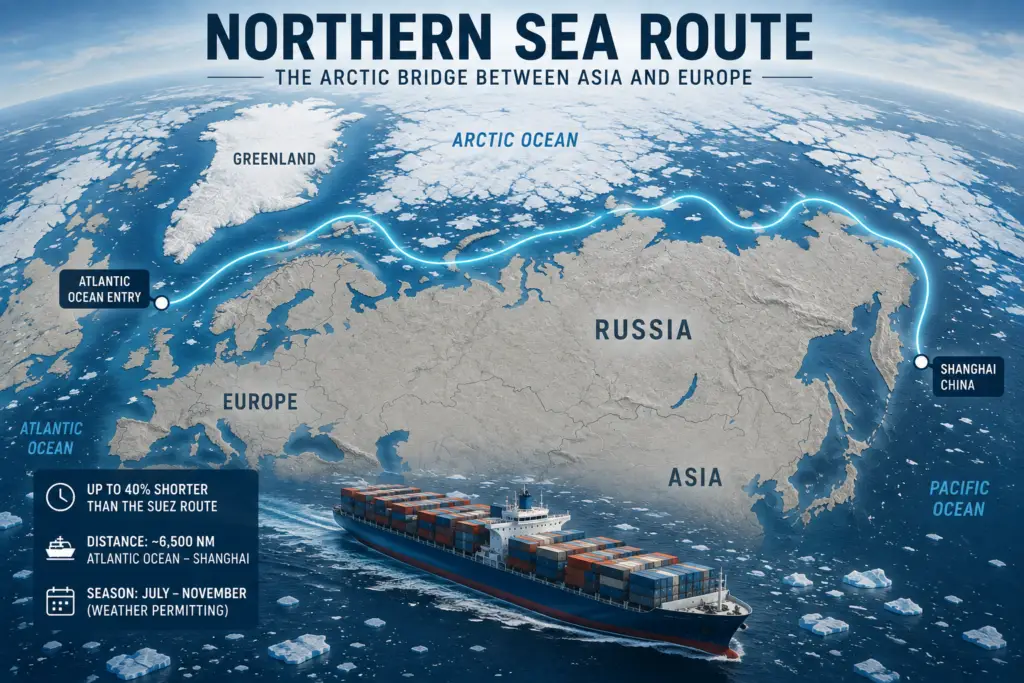
Russia and China are expanding shipping activity along the Northern Sea Route as Arctic trade grows and the route becomes an alternative between Asia and Europe.

Russia and China Increase Shipping Activity in the Arctic

Russia and China are increasing their cooperation on the Northern Sea Route (NSR) as the Arctic shipping route becomes more important for international trade.

The route runs along Russia’s Arctic coastline and connects the Pacific and Atlantic sides of the Arctic. Russia has been trying to develop the NSR as an alternative shipping route between Europe and Asia, while China sees it as an important part of its plans for Arctic trade.

According to shipping data, China has become the main foreign trading partner using the route since Russia’s invasion of Ukraine. Much of this trade involves Russian oil and LNG cargoes moving toward China.

China Expands Its Arctic Shipping Operations

Chinese shipping companies are now becoming more active on the Northern Sea Route.

At least six Chinese shipping companies are expected to make more than 50 voyages along the route during the current season, using container ships, bulk carriers and multipurpose vessels. Most of these voyages are between China and Russia.

One of the companies, Sea Legend, is also preparing regular seasonal container services between China and Europe. The company is advertising a transit time of around 20 days, which could be significantly shorter than traditional routes through the Suez Canal.

This development is important because the Northern Sea Route has mainly been used for Russian energy exports in the past. Now, China is starting to use the route more directly for international container shipping.

Why Is the Northern Sea Route Important?

The Northern Sea Route can provide a shorter connection between Asia and Europe, but it is very different from normal commercial shipping routes.

Ice conditions can change quickly and the navigation season is still limited. Ships may also require ice-class capabilities and, in some areas, support from icebreakers. Russia controls access to the route through its Arctic infrastructure and regulations.

At the same time, the changing Arctic climate is creating longer periods when some parts of the route can be navigated.

For Russia, the NSR could bring more cargo, port activity and investment into its Arctic region.

For China, it offers another possible route to Europe and access to Russian energy resources.

A New Route for Global Shipping?

The Northern Sea Route is still very small compared with major routes such as the Suez Canal. However, 2026 is becoming an important year for Arctic shipping.

Recent data indicates that cargo volumes on the NSR could exceed 40 million tonnes in 2026, while China-Russia cargo traffic has also increased.

The question now is whether the Northern Sea Route can develop from a mainly seasonal and Russia-focused route into a regular international shipping corridor.

For Russia and China, the answer appears to be yes. For the global shipping industry, however, the Arctic still comes with major challenges including ice, weather, safety, environmental risks and geopolitical uncertainty.

Seafarer Killed After Second Drone Strike Hits Rescue Vessel in Black Sea

A Turkish seafarer was killed after the rescue vessel Ural was hit by a drone strike in the Black Sea, days after he survived an attack on Necibe.

A Turkish seafarer who survived a drone attack on a cargo vessel was killed three days later when the ship that rescued him came under a separate drone strike in the Black Sea.

The incident highlights the growing risks faced by merchant vessels and seafarers operating in areas affected by the Russia-Ukraine conflict.

Vessel Details: Ural

SpecificationDetails
Vessel NameUral
IMO Number7725386
Vessel TypeRo-Ro Cargo Ship
Year Built1980
FlagCameroon
Length Overall105.6 metres
Beam18.8 metres
Deadweight3,573 tonnes
Gross Tonnage4,994

Ural is a Ro-Ro cargo vessel built in 1980. Vessel databases list her at 105.6 metres in length, with a beam of 18.8 metres and a deadweight of 3,573 tonnes.

Vessel Details: Necibe

SpecificationDetails
Vessel NameNecibe
IMO Number9548732
Vessel TypeBulk Carrier / Dry Bulk
Year Built2009
FlagSan Marino
Length OverallApproximately 167.5–168 metres
Beam23 metres
Deadweight21,461 tonnes

Necibe, IMO 9548732, is a 2009-built dry bulk vessel with a deadweight of approximately 21,461 tonnes and an overall length of around 168 metres. Current vessel records identify San Marino as the vessel’s flag.

Necibe Attacked While Loading Wheat

The first incident occurred on August 18, 2026, when the Turkish-owned, San Marino-flagged Necibe came under a reported Ukrainian drone attack while loading wheat near Tuapse, Russia.

The vessel, IMO 9548732, was carrying 18 crew members at the time of the attack. According to reports, the crew abandoned the vessel and was subsequently rescued by the Turkish-owned Ro-Ro cargo ship Ural.

Among those rescued was 47-year-old Turkish seafarer Ilker Lazoglu, who was working as the chief cook aboard Necibe.

After the attack, Lazoglu and the other rescued crew members were transferred to Ural.

Rescue Vessel Ural Attacked Three Days Later

The situation took a tragic turn on August 21, when Ural itself came under another reported drone attack while operating in the region.

The attack left eight people injured and killed one seafarer. The fatality was identified as Ilker Lazoglu, who had survived the initial attack on Necibe only three days earlier.

According to reports from Turkish media, Lazoglu had contacted his family after the first attack and told them that he was safe and expected to be rescued. He was subsequently transferred to Ural along with the other members of Necibe’s crew.

The attack on Ural therefore turned a rescue operation into another deadly incident for the merchant crew.

Growing Risks for Merchant Shipping in the Black Sea

The two incidents demonstrate the increasing dangers faced by commercial vessels operating close to conflict-affected areas.

Merchant ships are not directly involved in military operations, yet vessels calling at or operating near ports, offshore terminals and major shipping routes can still become exposed to drone and missile attacks.

The case of Ural is particularly significant because the vessel had been involved in rescuing seafarers from another ship that had already been attacked.

For the crew members aboard Necibe, Ural initially represented a place of safety. Just three days later, however, the rescue vessel itself became the target of another strike.

A Reminder of the Risks Facing Seafarers

The death of Ilker Lazoglu is a stark reminder that seafarers can remain exposed to the consequences of armed conflict even when they are operating aboard civilian merchant vessels.

In this case, Lazoglu survived the first attack, was rescued from the damaged vessel and transferred to another ship. The vessel that provided assistance was then attacked itself, resulting in his death.

The sequence of events highlights one of the most serious challenges facing commercial shipping in conflict-affected waters: a vessel that provides a temporary place of safety can quickly become another danger zone.

For seafarers operating in the Black Sea and other high-risk maritime regions, the incident once again raises questions about routing, port operations, emergency response and the protection of civilian merchant shipping.

The case also underlines a difficult reality of modern commercial shipping: seafarers can become casualties of a conflict even when their vessels have no role in military operations.

Join Our Seafarers Community

Stay connected with seafarers worldwide. Get maritime news, professional updates, industry insights, and project announcements directly in your inbox.

This website uses cookies

We use cookies to personalize content, provide social media features, and analyze our traffic. We also share information about your use of our site with our analytics partners. You can change your preferences at any time.