Major international oil traders are reportedly in talks with the US government to obtain permission to purchase or lease certain sanctioned oil tankers, as the global shipping industry faces a shortage of available vessels and sharply increased transportation costs.
at least four major energy companies — Trafigura, Vitol, Mercuria Energy Group and Abu Dhabi National Oil Company (ADNOC) — have approached US officials regarding licenses that could allow them to operate selected vessels currently under American sanctions.
The proposed initiative could bring some previously restricted tankers back into commercial service, potentially increasing available shipping capacity and helping ease pressure on global oil transportation costs.
US Considers Licensing Sanctioned Oil Tankers
The discussions come as the Trump administration looks for ways to reduce rising energy prices following the military conflict involving the United States, Israel and Iran.
The disruption to oil supplies has created significant challenges for international shipping. In particular, increased security risks around the Strait of Hormuz have affected tanker movements, forcing some vessels to take longer routes while charterers face higher insurance premiums and freight expenses.
US Treasury officials are reportedly examining the applications individually rather than considering a general exemption for all sanctioned vessels.
The discussions involve approximately 50 tankers out of around 1,600 vessels currently listed under US sanctions. However, no final decision has been announced, and the timing of any potential approvals remains uncertain.
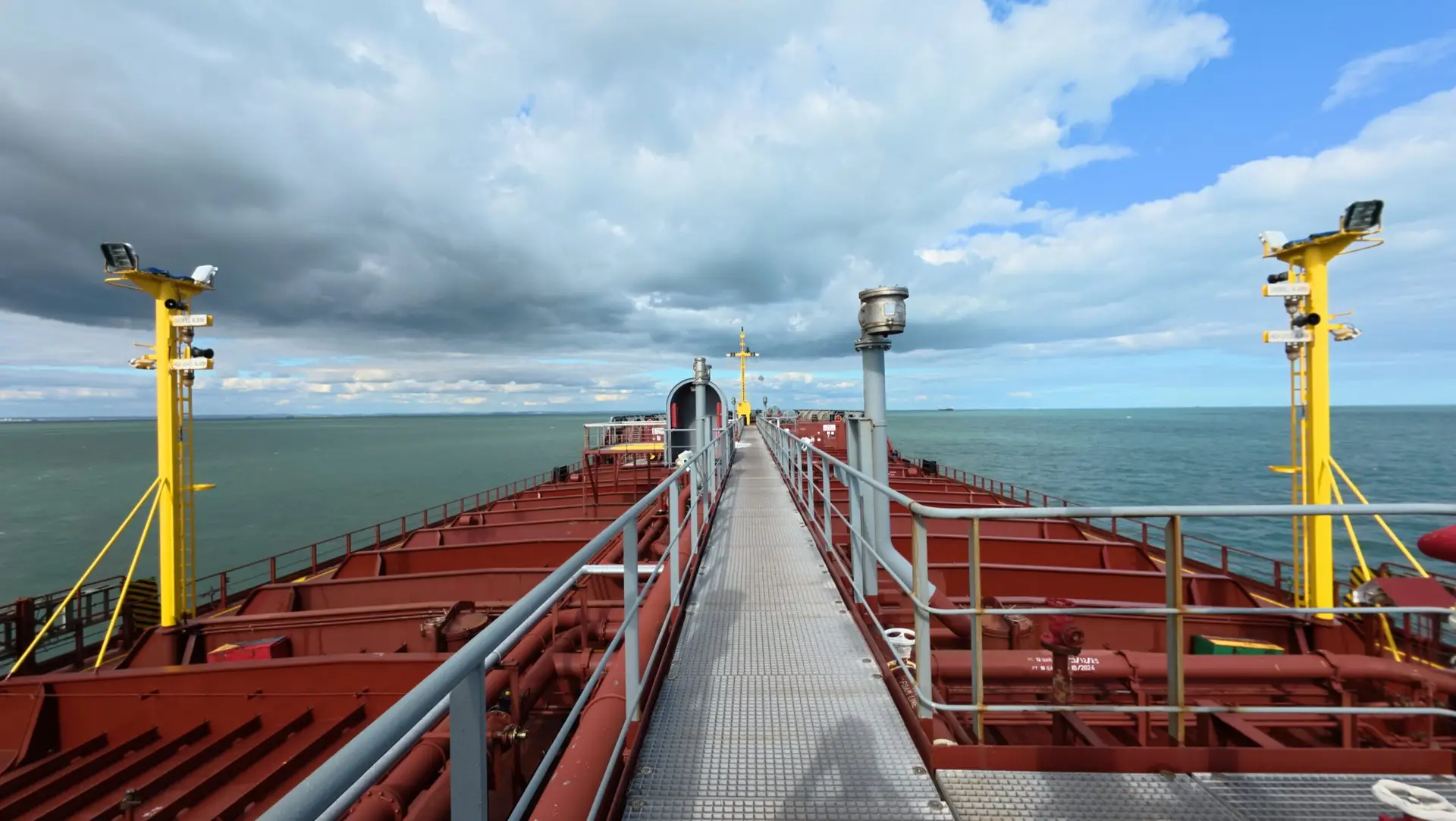
The applications reportedly include Very Large Crude Carriers (VLCCs), which are among the largest tankers in the world and can carry approximately 2 million barrels of crude oil.
Washington Wants to Turn Dark Fleet Tankers Into Legitimate Vessels
The proposal follows comments made last month by US Energy Secretary Chris Wright, who said the administration was working with investors interested in acquiring inactive sanctioned tankers, restoring them and using them to transport oil that is not subject to sanctions.
The objective is to bring selected vessels back into the regulated shipping market rather than allowing them to remain outside normal commercial operations.
However, the process could present several challenges. Many sanctioned tankers are older than vessels operating in the mainstream international fleet, raising concerns about their technical condition, maintenance history and compliance with maritime safety requirements.
Some of these vessels could potentially be used on shorter routes, including voyages between the United States, the Caribbean and Latin America. This could also release newer tankers for longer international voyages.
Tanker Freight Rates Remain Under Pressure
The shortage of available tankers has contributed to a significant increase in freight rates, particularly on long-distance crude oil routes.
The cost of transporting US crude oil to Asia using a VLCC reportedly approached $40 per barrel in early October 2026, compared with approximately $5 per barrel during the same period a year earlier.
Although freight rates have eased somewhat since then, they remain historically elevated and continue to add pressure to international oil prices, which have been hovering around $100 per barrel.
Bringing additional vessels into commercial service could help improve tanker availability. However, the actual impact on freight rates and oil prices will depend on how many ships receive authorization and whether they can safely return to operations.
US Sanctions Cover More Than 1,500 Vessels
According to US Treasury data compiled by Bloomberg, 1,568 vessels were subject to American sanctions as of November 4, 2026. This figure included 462 crude oil tankers.
Many of these vessels are associated with the so-called shadow fleet, which has been used to transport restricted oil, particularly from Russia and Iran, while attempting to avoid international sanctions.
Some ships involved in these operations have been reported to switch off their Automatic Identification System (AIS) transmissions, making their movements more difficult for authorities and other maritime stakeholders to monitor.
It is important to note that any authorization issued by the US Treasury or the Office of Foreign Assets Control (OFAC) would only address US sanctions. Restrictions imposed independently by the European Union and the United Kingdom would remain applicable.
Will Bringing Sanctioned Tankers Back Reduce Oil Prices?
The potential return of sanctioned tankers to the legitimate shipping market could provide additional capacity at a time when the global tanker industry is experiencing considerable pressure.
However, the initiative also raises questions about vessel condition, maritime safety, insurance coverage, regulatory compliance and the possibility of indirectly benefiting companies previously involved in sanctions evasion.
The impact will also depend on which vessels are brought back into service. Reactivating tankers that have been idle for an extended period could provide additional capacity, while simply changing the operating status of vessels already trading within the shadow fleet may have a more limited effect.
One example mentioned in the report is the tanker Skipper, which has remained off the Texas coast since December following its seizure by US authorities.
For the international tanker market, the coming weeks could be important in determining whether the proposal develops into a wider effort to increase available shipping capacity and ease the pressure on global oil transportation.


