Governments are taking action to protect seafarers from high-risk waters and safeguard their lives and rights. Now, it is time for Black Sea states and other countries to reach agreements on maritime safety.
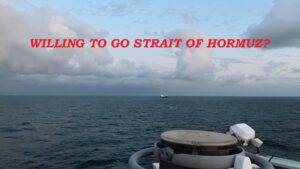
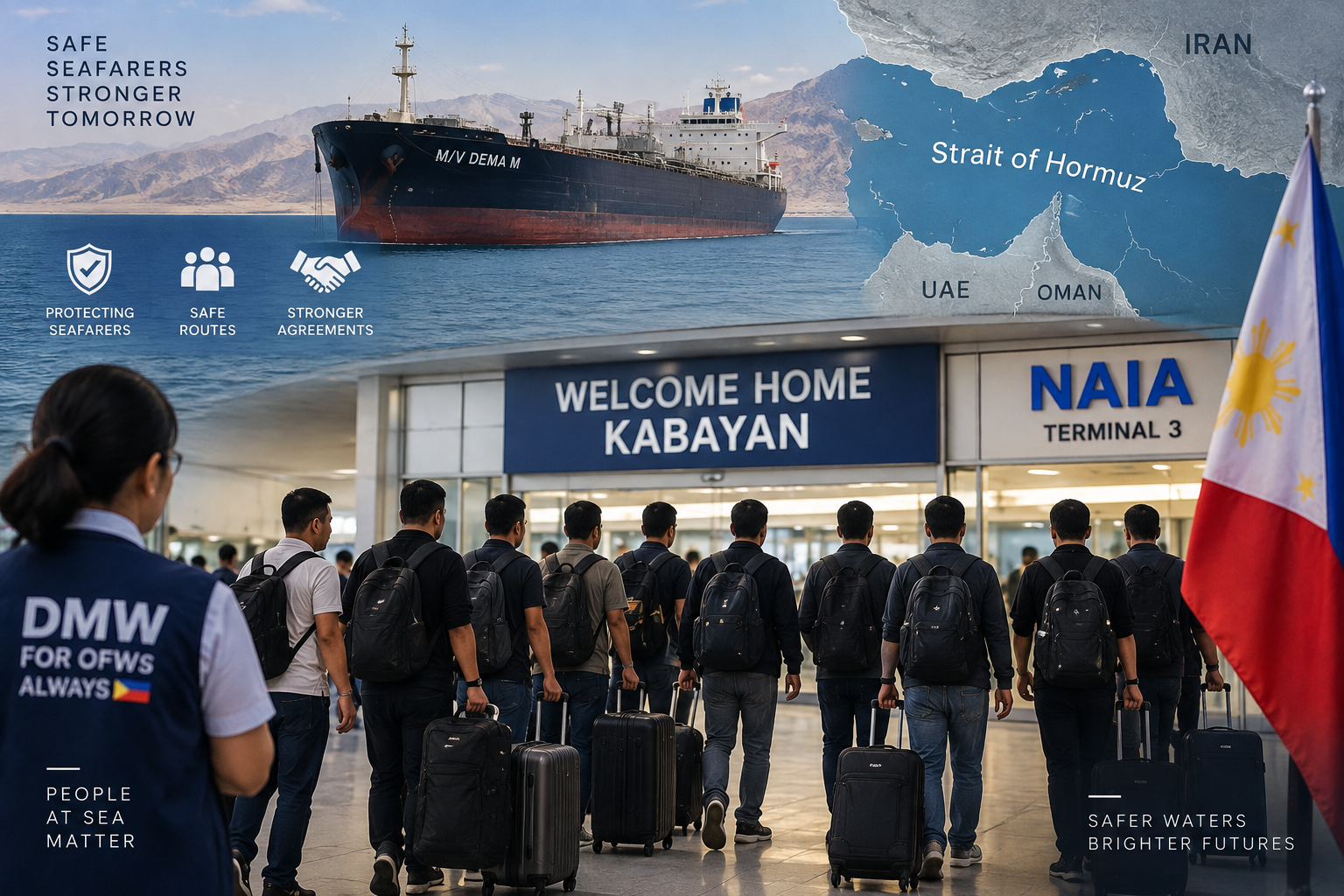
MANILA, Philippines — Ten Filipino seafarers have safely returned to the Philippines after refusing to sail aboard the M/V Dema M toward the Strait of Hormuz due to security concerns along the route.
The seafarers arrived in the Philippines on September 4, 2026, and were assisted by government officials upon their arrival at Ninoy Aquino International Airport (NAIA) Terminal 3.
Department of Migrant Workers (DMW) Assistant Secretary Venecio V. Legaspi, together with representatives from the DMW and the Overseas Workers Welfare Administration (OWWA), welcomed the returning seafarers.
The government agencies provided repatriation assistance and support to facilitate the seafarers’ safe return home.
DMW Supports Seafarers’ Decision
Legaspi said the DMW would continue to protect the rights, employment, and benefits of Filipino seafarers, particularly when they face circumstances that could put their safety at risk.
He also expressed the department’s support for the seafarers’ decision to decline the voyage amid security risks associated with the Strait of Hormuz, one of the world’s most strategically important maritime routes.
The decision comes as security concerns continue to affect commercial shipping operating in and around the region, raising concerns among shipowners, seafarers, and maritime authorities.
Repatriation Under UPLIFT Initiative
According to the DMW, the repatriation was carried out in line with President Ferdinand R. Marcos Jr.’s directive under the UPLIFT initiative.
The Philippine government recognizes the right of overseas Filipino workers, including seafarers, to refuse deployment or sailing assignments involving routes considered highly dangerous.
The policy forms part of the government’s continuing efforts to protect the safety and welfare of Filipino workers and their families, particularly when overseas employment exposes them to significant security risks.
The return of the ten seafarers highlights the growing importance of maritime security assessments and the protection of crew members operating in high-risk areas.