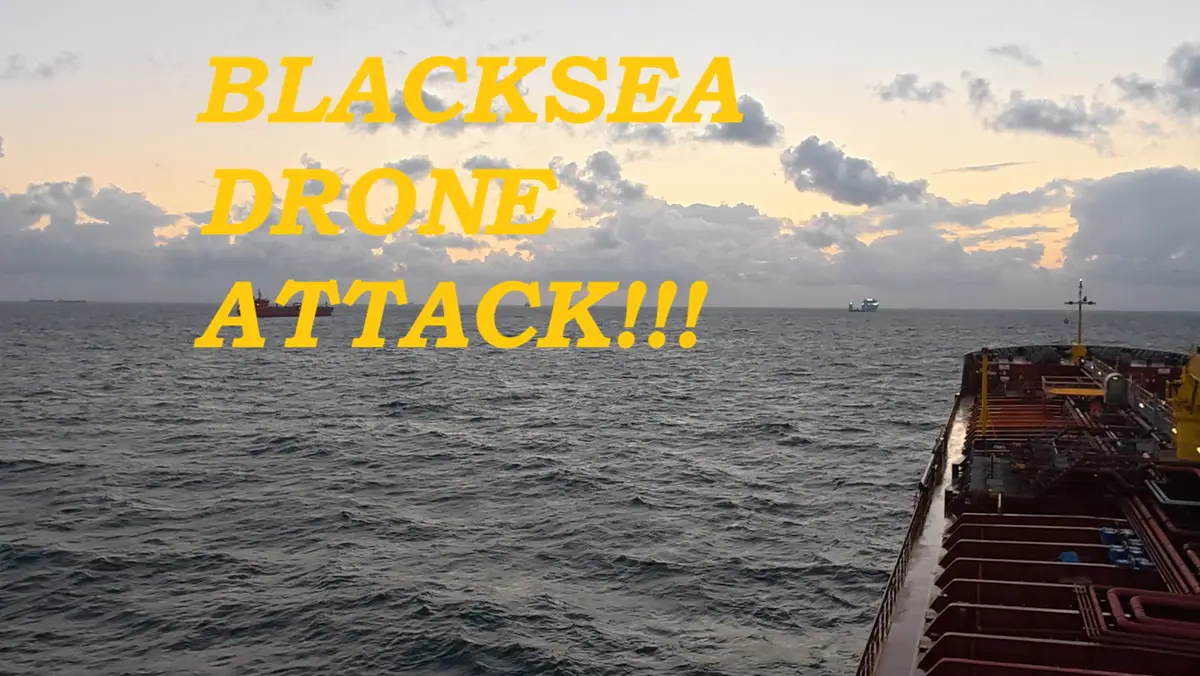
A Turkish seafarer was killed after the rescue vessel Ural was hit by a drone strike in the Black Sea, days after he survived an attack on Necibe.
A Turkish seafarer who survived a drone attack on a cargo vessel was killed three days later when the ship that rescued him came under a separate drone strike in the Black Sea.
The incident highlights the growing risks faced by merchant vessels and seafarers operating in areas affected by the Russia-Ukraine conflict.
Vessel Details: Ural
| Specification | Details |
| Vessel Name | Ural |
| IMO Number | 7725386 |
| Vessel Type | Ro-Ro Cargo Ship |
| Year Built | 1980 |
| Flag | Cameroon |
| Length Overall | 105.6 metres |
| Beam | 18.8 metres |
| Deadweight | 3,573 tonnes |
| Gross Tonnage | 4,994 |
Ural is a Ro-Ro cargo vessel built in 1980. Vessel databases list her at 105.6 metres in length, with a beam of 18.8 metres and a deadweight of 3,573 tonnes.
Vessel Details: Necibe
| Specification | Details |
| Vessel Name | Necibe |
| IMO Number | 9548732 |
| Vessel Type | Bulk Carrier / Dry Bulk |
| Year Built | 2009 |
| Flag | San Marino |
| Length Overall | Approximately 167.5–168 metres |
| Beam | 23 metres |
| Deadweight | 21,461 tonnes |
Necibe, IMO 9548732, is a 2009-built dry bulk vessel with a deadweight of approximately 21,461 tonnes and an overall length of around 168 metres. Current vessel records identify San Marino as the vessel’s flag.
Necibe Attacked While Loading Wheat
The first incident occurred on August 18, 2026, when the Turkish-owned, San Marino-flagged Necibe came under a reported Ukrainian drone attack while loading wheat near Tuapse, Russia.
The vessel, IMO 9548732, was carrying 18 crew members at the time of the attack. According to reports, the crew abandoned the vessel and was subsequently rescued by the Turkish-owned Ro-Ro cargo ship Ural.
Among those rescued was 47-year-old Turkish seafarer Ilker Lazoglu, who was working as the chief cook aboard Necibe.
After the attack, Lazoglu and the other rescued crew members were transferred to Ural.
Rescue Vessel Ural Attacked Three Days Later
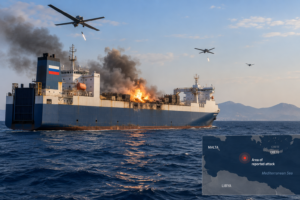
The situation took a tragic turn on August 21, when Ural itself came under another reported drone attack while operating in the region.
The attack left eight people injured and killed one seafarer. The fatality was identified as Ilker Lazoglu, who had survived the initial attack on Necibe only three days earlier.
According to reports from Turkish media, Lazoglu had contacted his family after the first attack and told them that he was safe and expected to be rescued. He was subsequently transferred to Ural along with the other members of Necibe’s crew.
The attack on Ural therefore turned a rescue operation into another deadly incident for the merchant crew.
Growing Risks for Merchant Shipping in the Black Sea
The two incidents demonstrate the increasing dangers faced by commercial vessels operating close to conflict-affected areas.
Merchant ships are not directly involved in military operations, yet vessels calling at or operating near ports, offshore terminals and major shipping routes can still become exposed to drone and missile attacks.
The case of Ural is particularly significant because the vessel had been involved in rescuing seafarers from another ship that had already been attacked.
For the crew members aboard Necibe, Ural initially represented a place of safety. Just three days later, however, the rescue vessel itself became the target of another strike.
A Reminder of the Risks Facing Seafarers
The death of Ilker Lazoglu is a stark reminder that seafarers can remain exposed to the consequences of armed conflict even when they are operating aboard civilian merchant vessels.
In this case, Lazoglu survived the first attack, was rescued from the damaged vessel and transferred to another ship. The vessel that provided assistance was then attacked itself, resulting in his death.
The sequence of events highlights one of the most serious challenges facing commercial shipping in conflict-affected waters: a vessel that provides a temporary place of safety can quickly become another danger zone.
For seafarers operating in the Black Sea and other high-risk maritime regions, the incident once again raises questions about routing, port operations, emergency response and the protection of civilian merchant shipping.
The case also underlines a difficult reality of modern commercial shipping: seafarers can become casualties of a conflict even when their vessels have no role in military operations.