Seafarers Are Paying the Price While the World Watches: Why Maritime Safety Can No Longer Wait
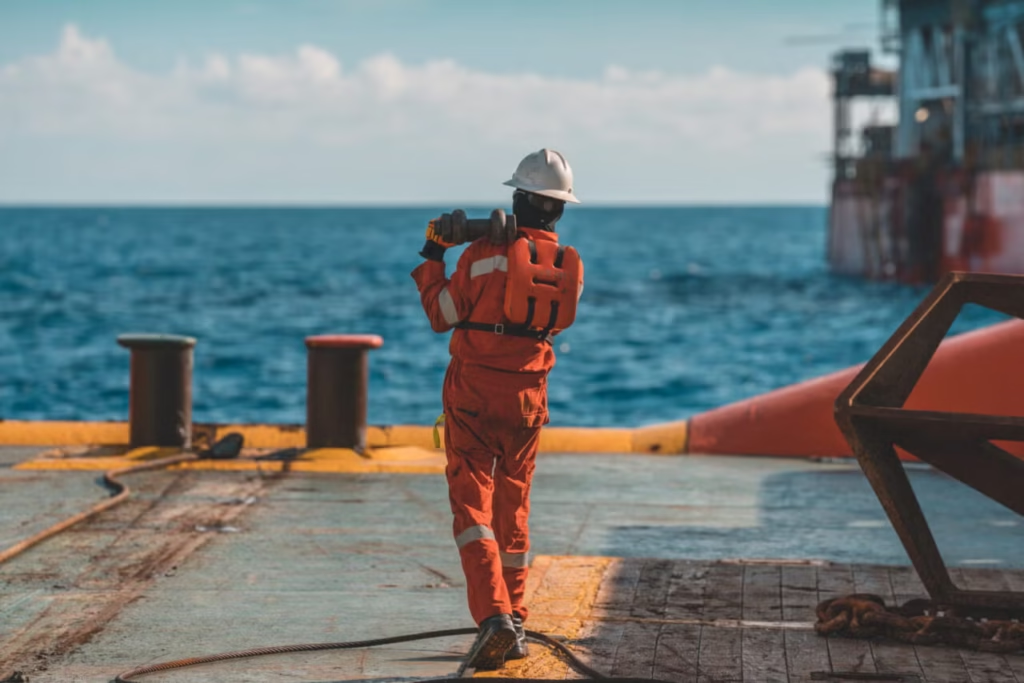
The global economy depends on maritime transportation. Nearly 85% of international trade by volume is carried by sea, making merchant shipping one of the most essential components of global commerce. Every day, thousands of merchant vessels transport crude oil, LNG, grain, food, raw materials, vehicles, and manufactured goods across the world’s oceans.
Yet despite this critical role, commercial ships are increasingly becoming targets in geopolitical conflicts.
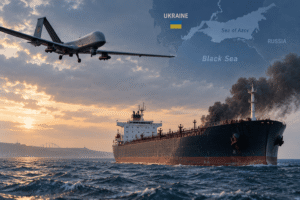
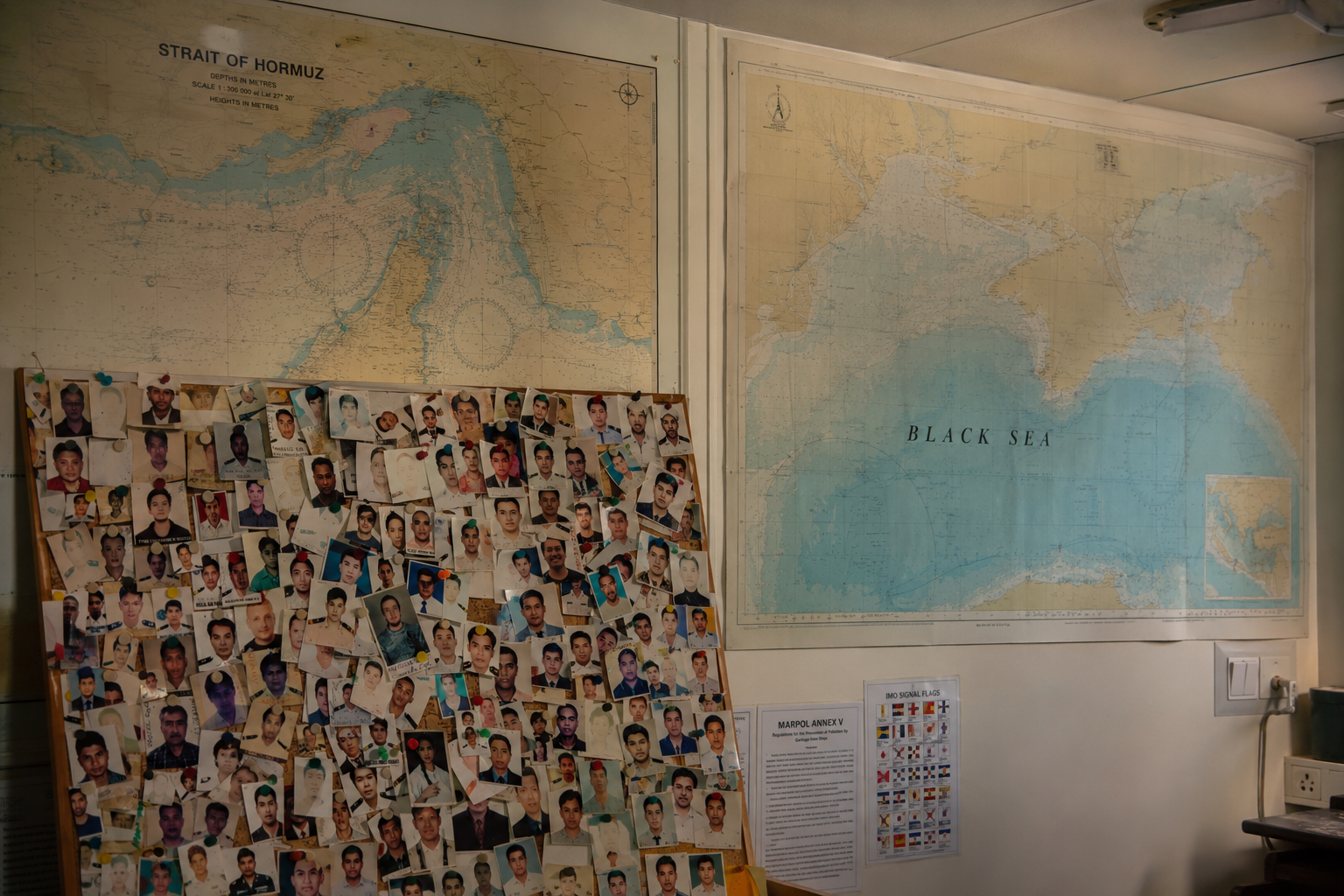
During the past two months alone, dozens of security incidents have been reported in and around the Strait of Hormuz. In the Black Sea, the ongoing war between Russia and Ukraine has also exposed commercial shipping to repeated attacks, with more than 50 merchant vessels reportedly affected since June 2026. These incidents have resulted in the deaths and injuries of numerous seafarers whose only mission was to transport cargo—not participate in war.
Once again, the maritime industry has witnessed a troubling reality: civilian seafarers continue to bear the consequences of conflicts they have no part in.
IMO Condemns the Attacks, But Practical Solutions Remain Limited
Following the recent escalation in the Strait of Hormuz, the International Maritime Organization (IMO) convened its 137th Council Session to address the growing threat to international shipping.
The Council strongly condemned attacks on civilian commercial vessels operating in and around the Strait of Hormuz and called for an immediate de-escalation of regional tensions.
In its adopted resolution, the IMO reaffirmed that the right of transit passage through international straits must not be threatened, obstructed, or suspended. The Council also stressed that any measures affecting navigation should remain fully consistent with international law and the International Convention for the Safety of Life at Sea (SOLAS).
Furthermore, the IMO requested its Secretary-General to work with coastal states, member governments, and the shipping industry to explore practical measures that would support the safe and uninterrupted movement of commercial vessels through the Strait.
While these statements reaffirm important legal principles, many seafarers continue to ask a simple question:
Who will protect the crews sailing through active conflict zones today?
Fear Is Changing the Shipping Industry
The impact is no longer limited to damaged vessels.
Across the maritime industry, many seafarers are becoming increasingly reluctant to accept contracts on ships trading to high-risk areas. Reports from within the industry indicate that some shipowners have struggled to recruit crews willing to sail through the Strait of Hormuz despite significantly increased wage offers.
No amount of additional salary can fully compensate for the possibility of becoming the next civilian casualty of a missile or drone attack.
A similar situation is developing in the Black Sea.
Commercial vessels operating near Ukrainian ports have repeatedly been exposed to missile, drone, and explosive attacks. Regardless of flag, nationality, or cargo, merchant ships navigating near conflict areas now face unprecedented risks. Civilian shipping has effectively become caught in the middle of geopolitical confrontation, leaving innocent seafarers to pay the highest price.
The Human Cost Behind Global Trade
Behind every merchant vessel are ordinary people.
Captains, officers, engineers, ratings, cooks, and cadets leave their families for months at a time to ensure that fuel reaches power stations, grain reaches countries in need, and global supply chains continue functioning.
These men and women are not soldiers.
They are civilians performing one of the world’s most essential professions.
Yet they continue to sail through regions where missiles, drones, and armed attacks have become increasingly common.
What Should Be Done?
The international community should move beyond statements of concern and begin implementing practical protective measures.
One possible solution would be the establishment of internationally coordinated maritime safety corridors in both the Strait of Hormuz and the Black Sea. Such corridors, supported by coastal states and protected through coordinated naval security arrangements under international law, could significantly reduce the risks faced by commercial shipping while preserving freedom of navigation.
Without meaningful action, the consequences will extend far beyond the maritime industry.
Disruptions to oil exports, grain shipments, LNG deliveries, and raw material transportation could drive up energy prices, food costs, insurance premiums, and freight rates, affecting economies and consumers around the world.
The World Cannot Afford to Ignore Seafarers
Seafarers are the invisible workforce behind global trade.
Every day they keep supply chains moving despite increasingly dangerous conditions. Yet many within the maritime community believe that their safety has not received the level of international attention it deserves.
Organizations, governments, industry leaders, and international institutions all have a role to play in ensuring that civilian merchant ships remain protected under international law.
Freedom of navigation is more than a legal principle—it is the foundation of global commerce.
Protecting commercial shipping means protecting the people who make global trade possible.
If the international community fails to act decisively, the next victims of geopolitical conflict may once again be innocent seafarers simply doing their jobs.
Sources
- International Maritime Organization (IMO) – Council Resolution on the Strait of Hormuz and Freedom of Navigation.
- SOLAS Convention.
- UKMTO Security Advisories.
- Public reporting from Reuters and other maritime news organizations on attacks affecting commercial shipping.